
Vinyl Siding Cleaning Bradenton FL Without the Damage Risk
Our vinyl siding cleaning Bradenton service removes dirt and mildew using a controlled, low-pressure soft wash. No cracked panels, no water forced behind the siding. Request your free estimate today.
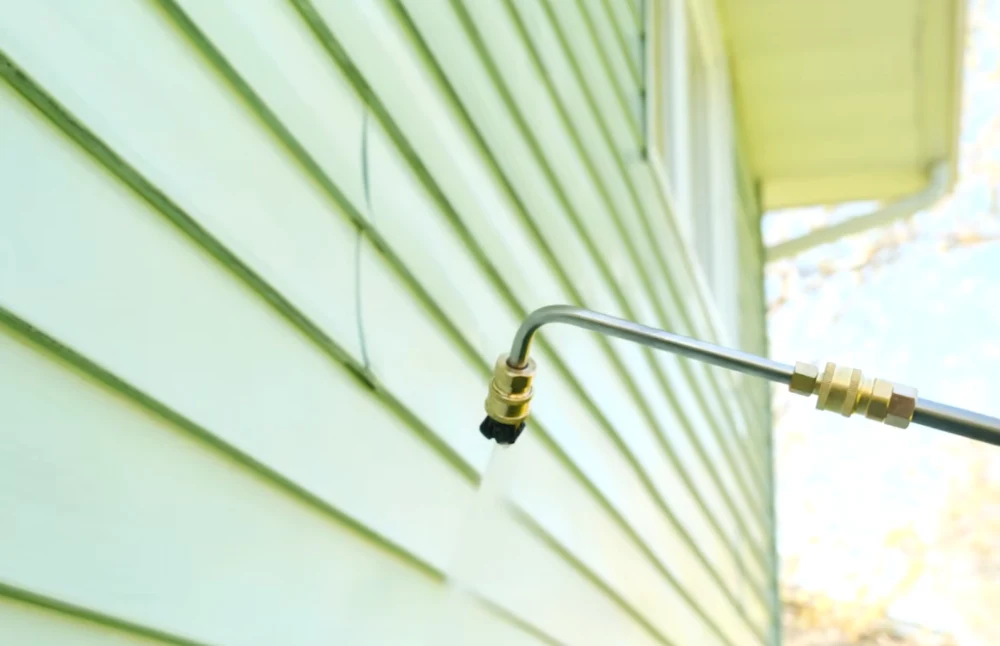
What Is Vinyl Siding Cleaning?
Vinyl siding cleaning Bradenton homeowners request removes dirt, mildew, and grime from one of the most common siding materials used in newer Bradenton construction. Vinyl is durable but sensitive to water intrusion, which makes technique matter more here than on sturdier materials like brick.
In Florida’s humid climate, vinyl siding collects mildew and algae quickly, especially on shaded walls that stay damp longer between rains. A proper house washing restores its appearance without risking the water damage that improper pressure washing can cause.
Is Pressure Washing Safe for Vinyl Siding?
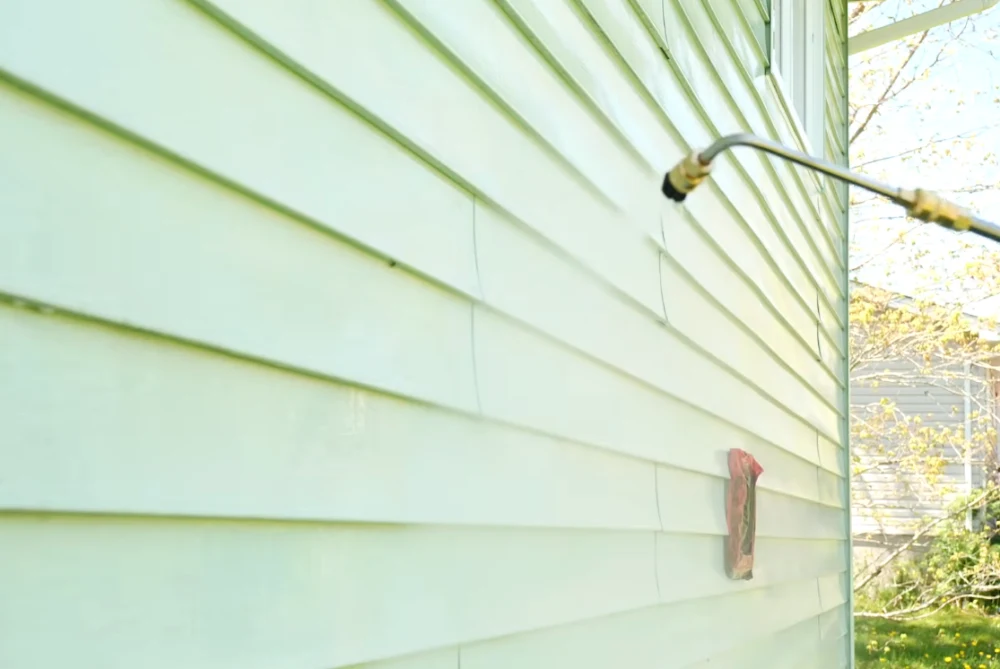
Yes, when the right pressure and technique are used. Vinyl siding can crack, warp, or trap water behind the panels if the wrong approach is used. We rely on a controlled, low-pressure method instead, built specifically around what vinyl can safely handle.
- Never blasted with high, uncontrolled pressure
- Nozzle held at a safe distance from panels
- Applied at an angle that avoids forcing water behind siding
- Cleaning solution used to lift dirt before rinsing
- Adjusted pressure based on panel age and condition
- Seams and edges treated with extra care
- Final rinse checked to confirm no water intrusion
How Vinyl Siding Gets Damaged
Improper pressure washing is one of the most common causes of preventable vinyl siding damage across Bradenton homes.
Excess pressure applied directly to vinyl panels can crack or warp the material, especially in older or sun-worn siding.
Holding the nozzle too close can force water up and behind panels, leading to hidden mold growth you can’t see.
Aggressive pressure can pry at panel seams and edges, weakening how securely they stay attached over time.
Our Controlled Soft Wash Approach
Vinyl siding pressure washing done the wrong way is exactly what causes the damage homeowners worry about most. We avoid that entirely with a controlled, lower-pressure soft wash method built specifically for vinyl’s sensitivity to force and water intrusion.
This approach lifts dirt, mildew, and algae effectively while keeping water from getting behind panels or stressing seams and edges. The result is a thorough clean without the risk that comes from treating vinyl the same way as concrete or brick.
Clean Vinyl Siding, Done Safely
Request your free estimate today. Our licensed, insured team uses a controlled soft wash on every vinyl siding job.
Signs Your Vinyl Siding Needs Cleaning
Not sure if your siding needs attention? These common signs are easy to spot once you know what to look for.
Mildew Streaking on Shaded Panels
Dark streaks spreading across shaded sections of siding usually signal mildew growth, which thrives in Florida’s humidity. Panels facing away from direct sun typically show this first, since they stay damp longer after rain.
Chalky or Faded Surface
Vinyl exposed to years of Florida sun can develop a dull, chalky residue that rubs off on your hand when touched. Cleaning restores much of the panel’s original color and finish.
Algae Buildup Near Ground Level
Green or black algae often builds up near the bottom of siding, close to landscaping or sprinklers that keep the area consistently damp between cleanings.
Dirt Trapped in Panel Seams
Dust and grime collect in the horizontal seams between panels over time, creating visible lines of buildup that a simple hose rinse rarely reaches.
How Our Vinyl Siding Cleaning Process Works
Every vinyl siding visit follows the same controlled process, built specifically around this material’s sensitivity to pressure and water intrusion.
We check panel condition and seams before determining the right pressure for your siding.
A cleaning solution breaks down mildew and algae before any rinsing begins.
Water is applied at a safe angle and pressure, avoiding panel seams and edges.
We review the results with you before considering the visit complete.
Recent Vinyl Siding Cleaning Results
We’ve completed vinyl siding cleaning projects throughout Bradenton, including newer construction homes near Lakewood Ranch with heavy mildew buildup on shaded panels.
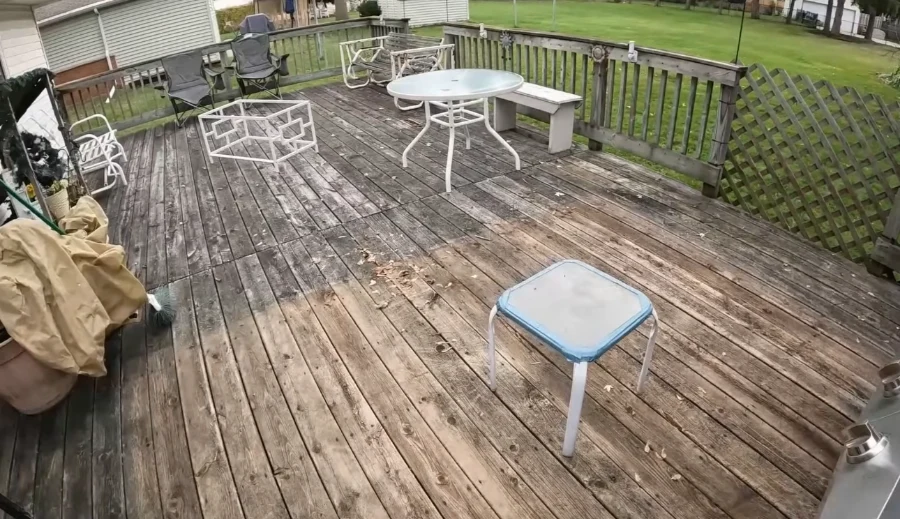
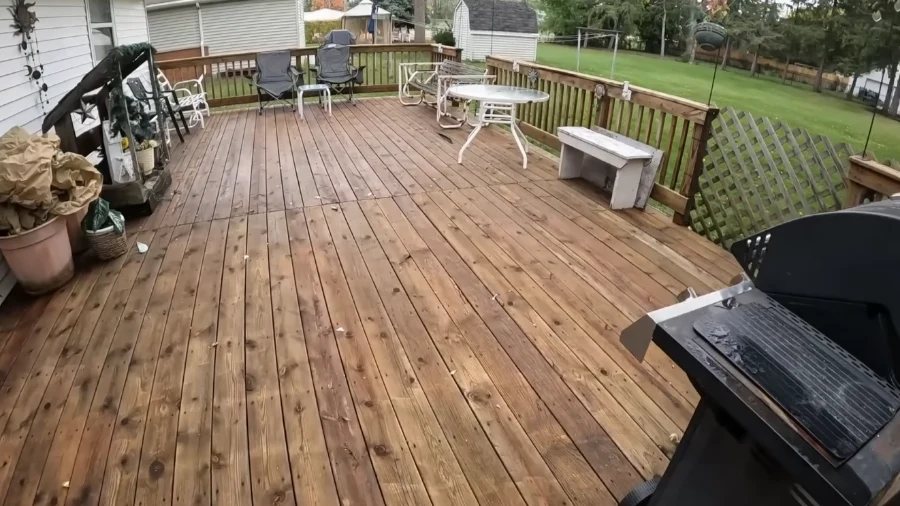
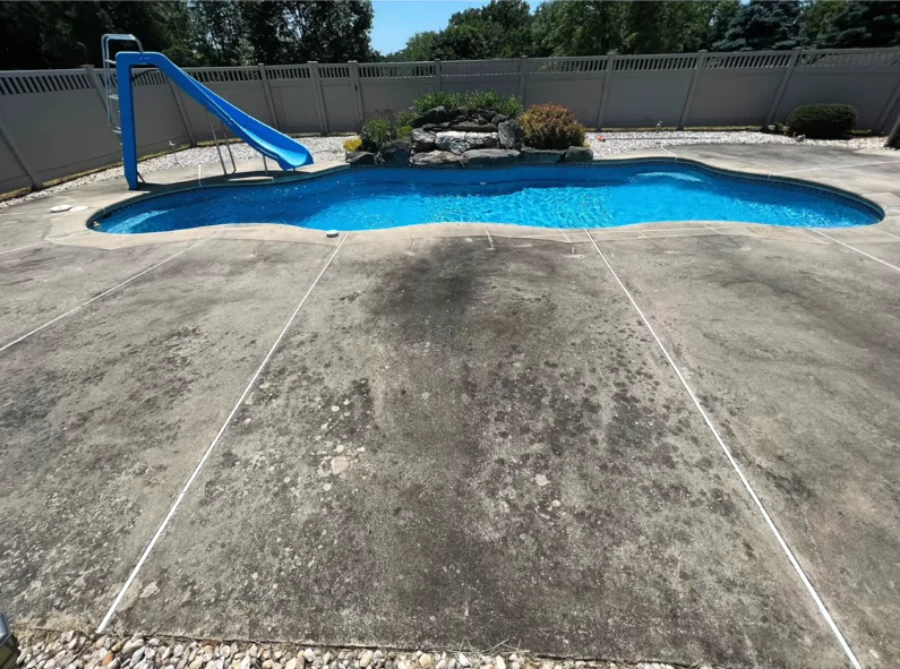
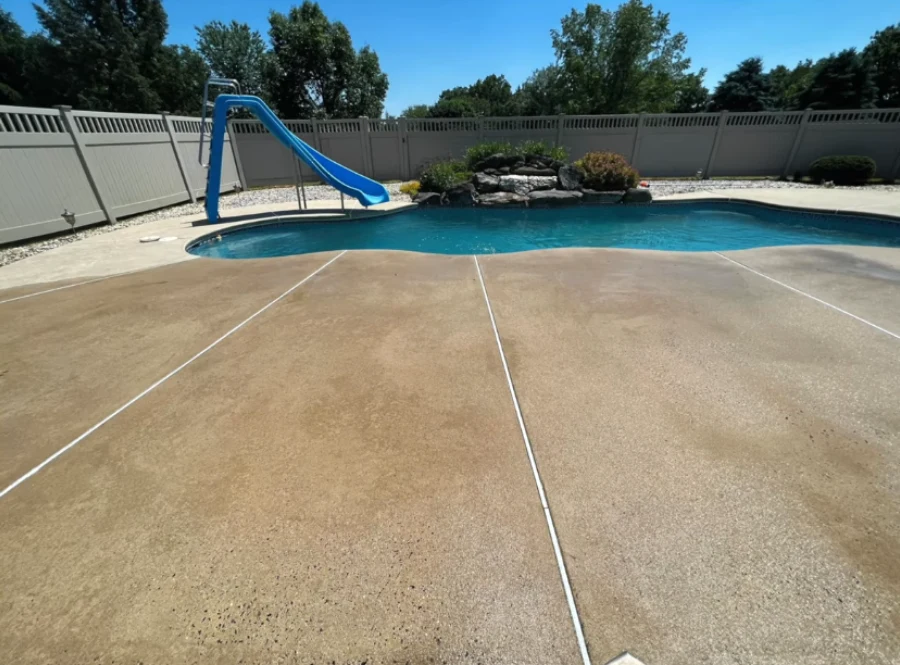
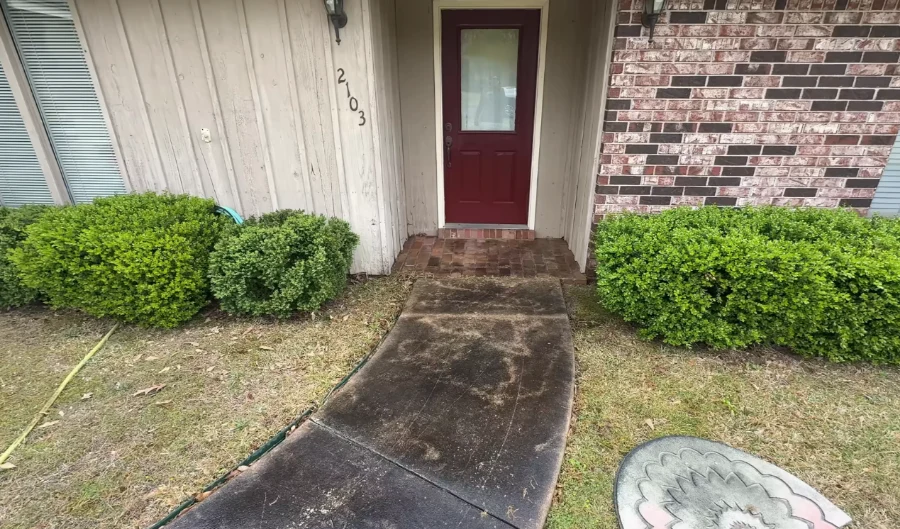
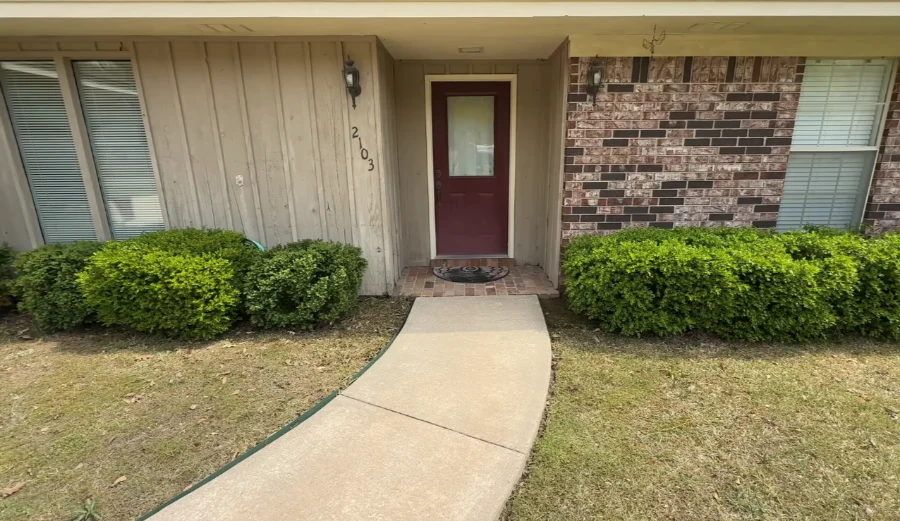
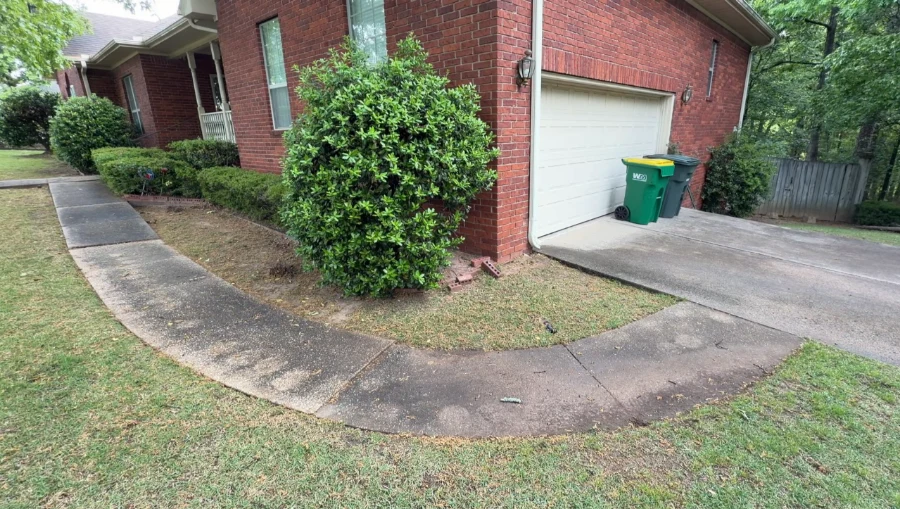
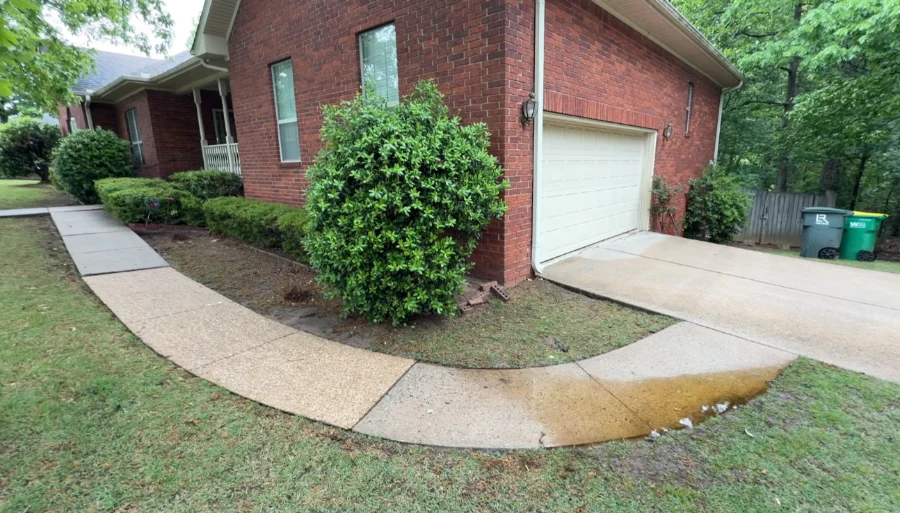
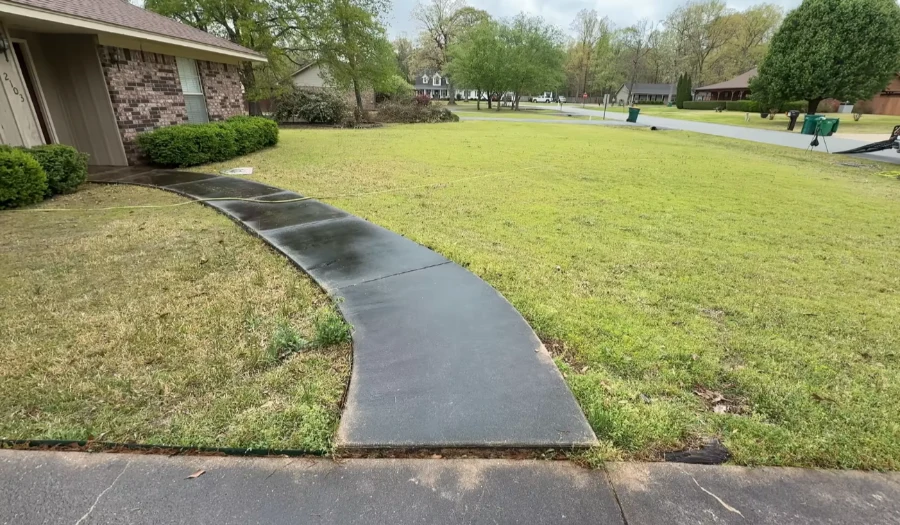
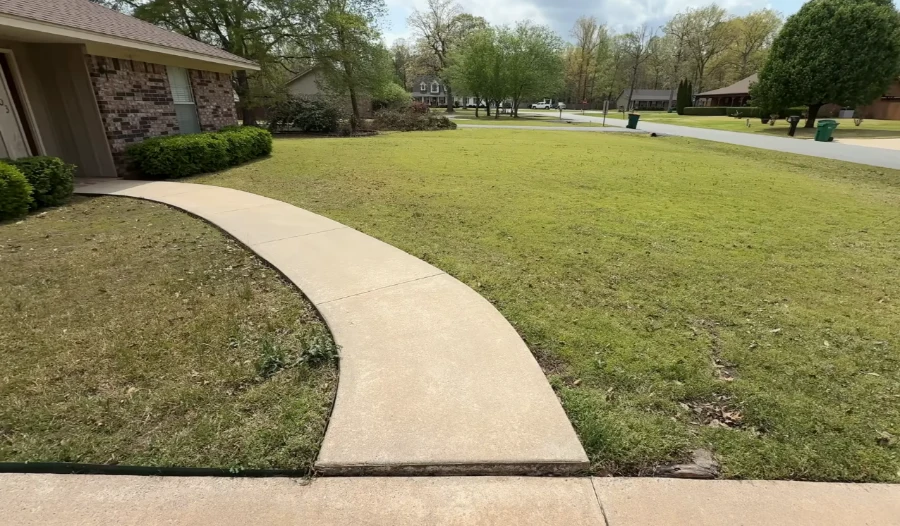
Photos below show real before and after results from recent visits, giving you an honest look at what your own siding could look like once cleaned.
Keeping Vinyl Siding Clean Between Visits
Regular cleaning keeps mildew and algae from building up between visits, especially on shaded panels that stay damp longer in Bradenton’s humid climate. Catching buildup early also makes each future cleaning faster and less intensive than starting from heavy, long-term staining.
Services We Offer
Vinyl siding cleaning is just one part of what we do. Explore our other services and keep every surface on your property looking its best.
Request Your Free Vinyl Siding Estimate
Ready for clean siding without the damage risk? Request your free estimate today. Our licensed, insured team uses a controlled soft wash on every vinyl siding job.
FAQs About Vinyl Siding Cleaning
Is it safe to pressure wash vinyl siding?
Yes, when the right pressure and technique are used. Vinyl siding can crack, warp, or let water behind the panels if blasted with too much pressure. We use a controlled, lower-pressure soft wash approach instead.
Can power washing damage vinyl siding?
Yes, if too much pressure is used or the nozzle is held too close, water can be forced behind the panels, leading to hidden mold growth. We use a controlled approach specifically to avoid that risk.
How much does vinyl siding cleaning cost?
Cost depends on your home’s size and how much mildew or algae buildup has accumulated. Homes with heavy shade typically cost a bit more to clean. We provide a free estimate upfront before any work begins.
Can vinyl siding be cleaned in direct sun?
Yes, though we typically recommend avoiding cleaning during the hottest part of the day, since the cleaning solution can dry too quickly on sun-exposed panels before it has time to work properly.