
Brick Paver Sealing Bradenton FL Starts with Proper Sanding
Our brick paver sealing Bradenton service starts with proper joint sanding using polymeric sand, locking pavers in place before sealing. Request your free quotation today.
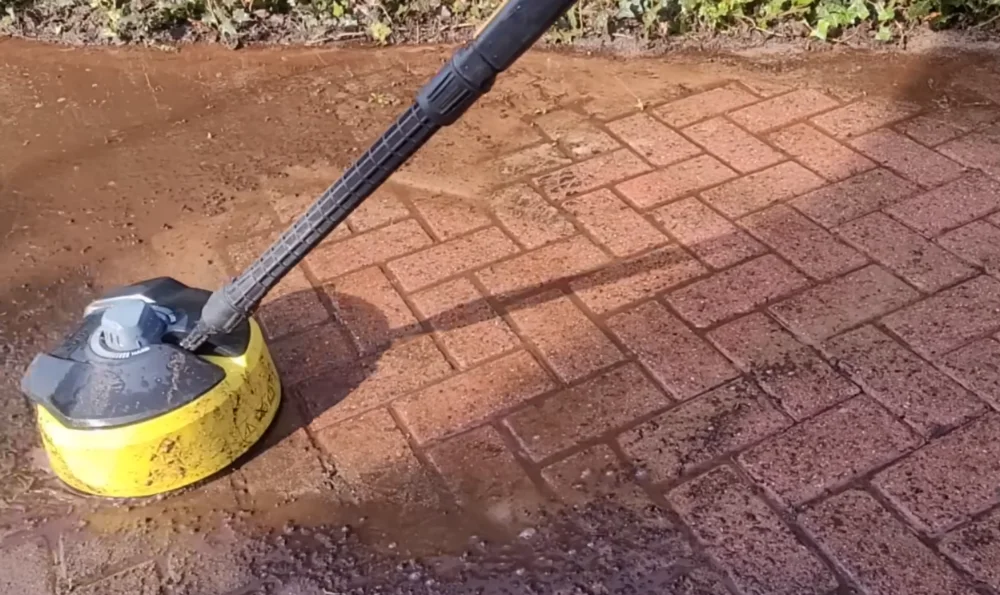
What Is Paver Sanding?
Paver sanding is the process of filling the joints between individual pavers with sand, restoring stability to a surface that naturally loosens over time. Without proper joint sand, pavers can shift, wobble, or develop gaps that widen with continued foot traffic and weather exposure.
This step is distinct from both cleaning and sealing, addressing the structural stability of the paver surface rather than its appearance alone. A properly sanded surface holds together as one cohesive unit instead of a collection of individually loose pieces.
What Polymeric Sand Does for Your Pavers
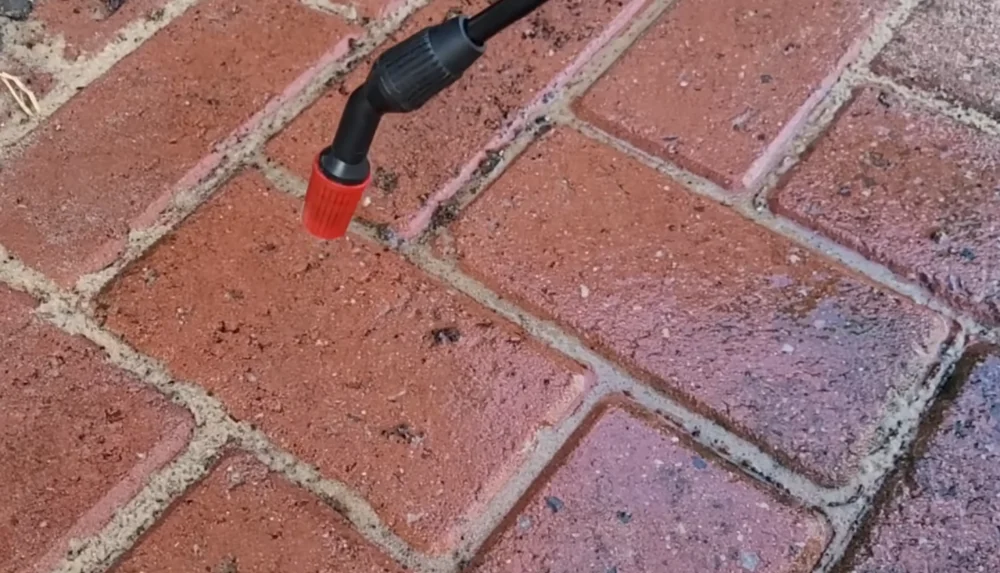
Polymeric sand is a specially treated sand that hardens after it’s applied and watered into paver joints, unlike regular sand, which washes out over time. Here’s what that actually means for your pavers.
- Locks pavers firmly in place after curing
- Resists washout during heavy rain events
- Blocks weed and grass growth in joints
- Holds up significantly longer than standard sand
What Sanding Does for Your Paver Surface
Beyond simply filling gaps, sanding plays a functional role in how your entire paver surface performs over time — keeping it stable, level, and free from the weeds that eroded joints invite.
Properly applied sand keeps individual pavers from shifting under foot traffic or vehicle weight, maintaining a firm, stable surface across the entire installation.
A stable joint prevents the gradual misalignment that makes a paver surface feel uneven underfoot and can create trip hazards if left unaddressed over time.
Filled joints leave no gap for weed seeds to take root and establish themselves, reducing the amount of weeding and maintenance your surface needs going forward.
Polymeric Sand vs. Regular Sand
Understanding the difference between these two sand types explains why one holds up so much better than the other over time — and why we use polymeric sand on every job.
| Factor | Polymeric Sand | Regular Sand |
|---|---|---|
| Hardens After Application | Yes | No |
| Washout Resistance | High | Low |
| Weed Prevention | Strong | Minimal |
| Typical Lifespan | Several years | Months, needs frequent refilling |
Signs Your Pavers Need Re-Sanding
Not sure if re-sanding is overdue? These common signs indicate joint sand has broken down and needs attention before the problem worsens.
Visible Gaps Between Pavers
Widening gaps between individual pavers usually mean the original joint sand has eroded away, leaving space that continues to grow with each rain event and foot traffic pass.
Shifting or Wobbling Pavers
Pavers that feel loose or shift slightly underfoot have lost the stabilizing support that properly packed sand provides, creating an uneven, less secure walking surface.
Weeds Emerging in Joints
Grass or weeds growing between pavers signal that joints have opened up enough for seeds to take root, a problem fresh polymeric sand directly prevents.
How Our Paver Sanding Process Works
Every sanding visit follows a careful process, ensuring sand fills joints completely and cures properly before the job is finished.
We check existing joint condition and identify areas needing fresh sand.
Polymeric sand is swept into joints thoroughly, filling gaps completely across the surface.
Water activates the sand’s bonding properties, allowing it to harden fully within joints.
We confirm every joint is properly filled before considering the visit complete.
Recent Paver Sanding Results
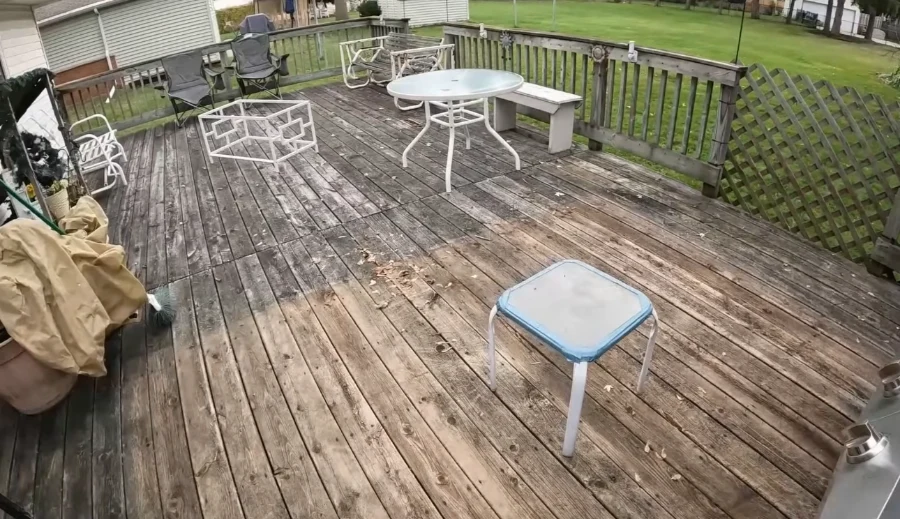
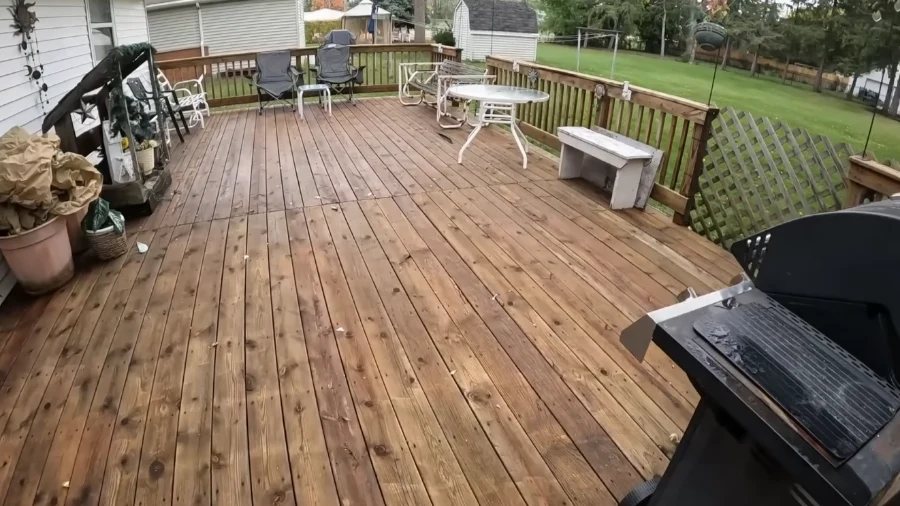
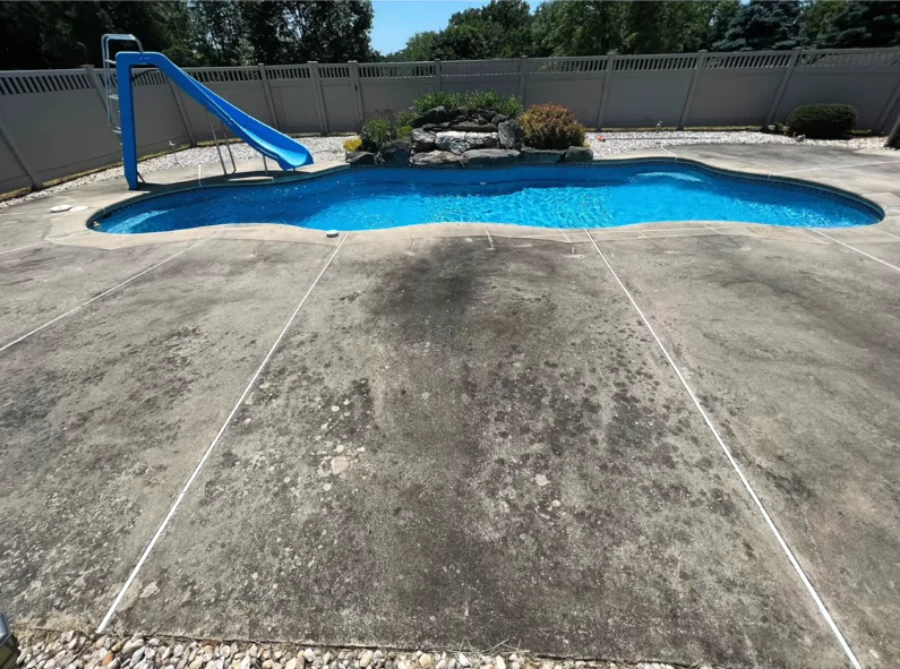
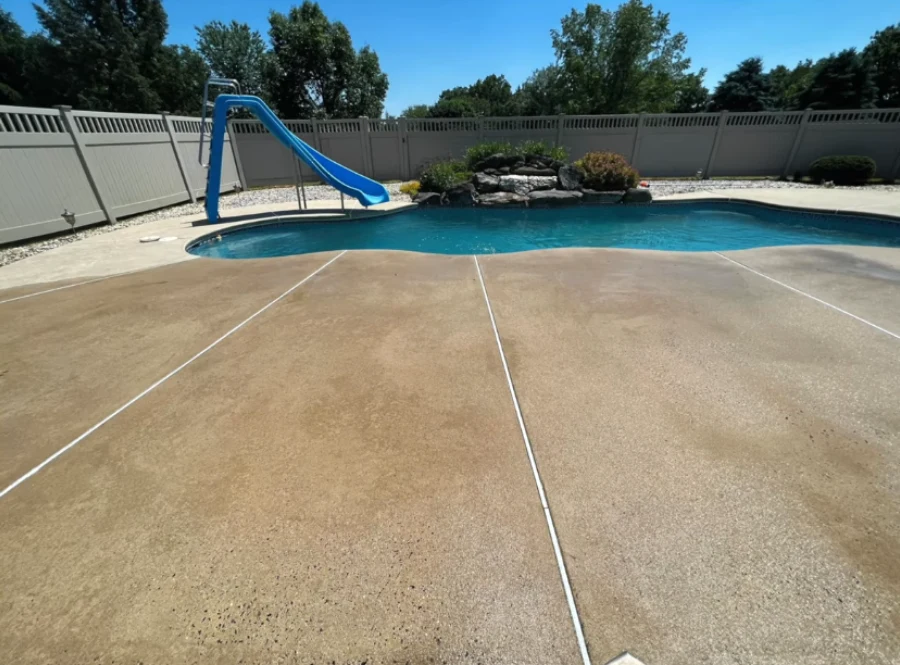
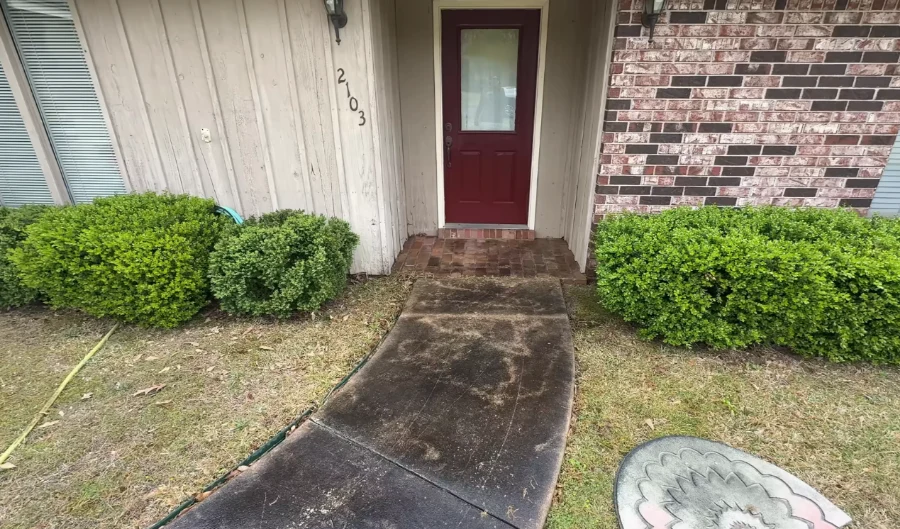
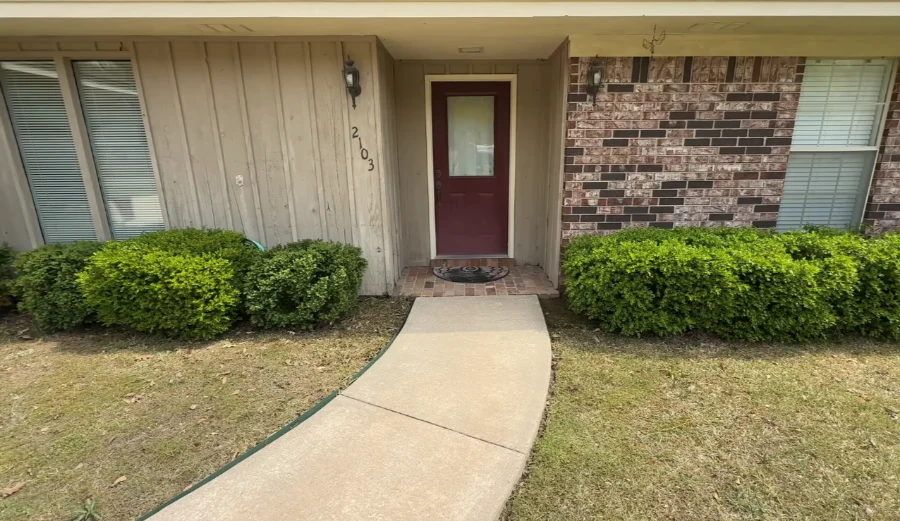
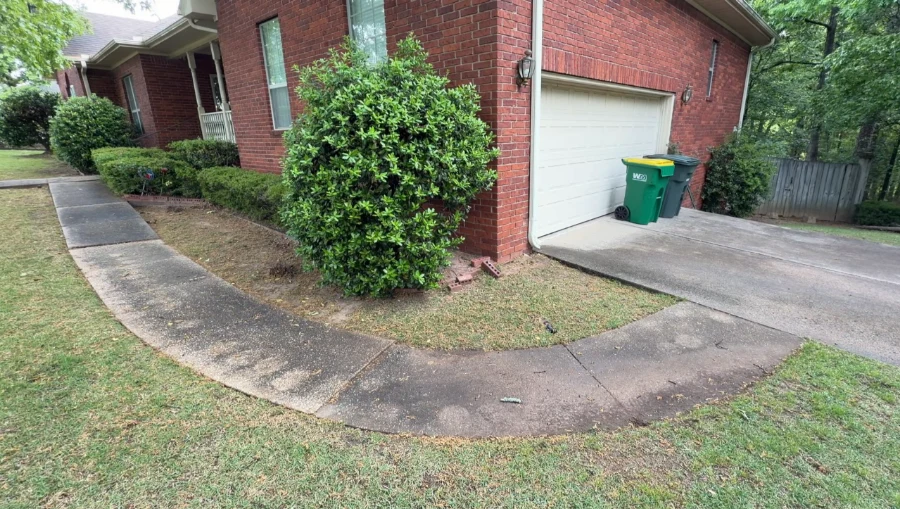
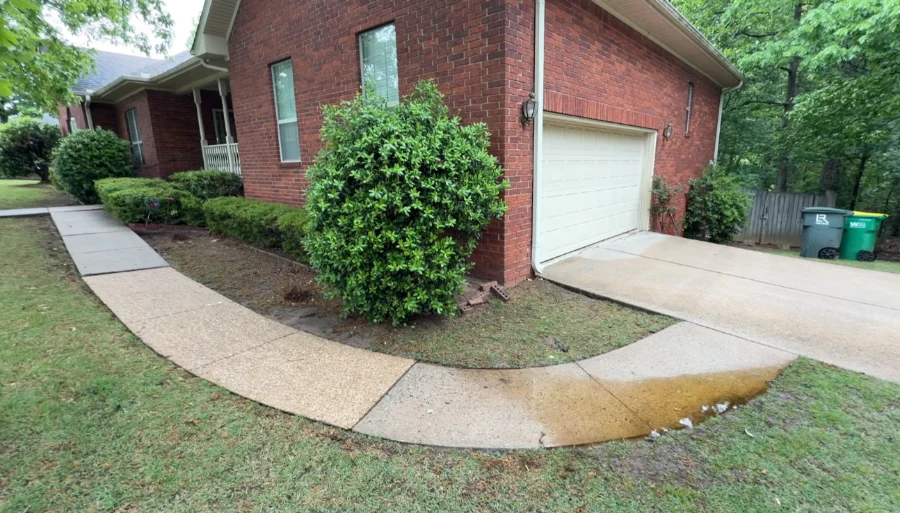
We’ve completed brick paver sanding projects throughout Bradenton, restoring stability to surfaces where years of eroded joint sand had left pavers loose and uneven underfoot. Each project uses polymeric sand exclusively, given its far superior performance over standard sand.
Photos show real before and after results from recent visits, giving you an honest look at how dramatically fresh sanding improves a paver surface’s overall stability and appearance.
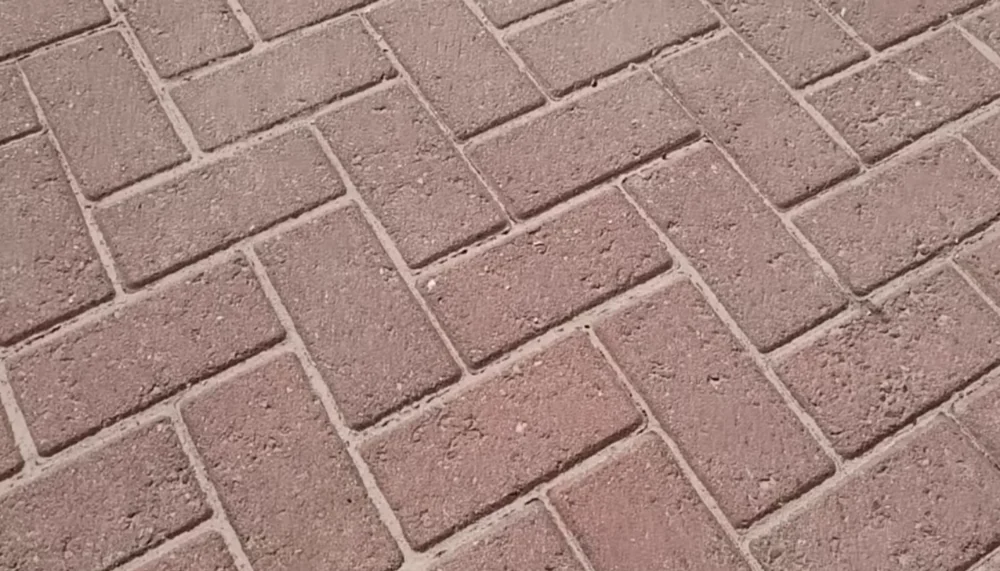
Preventing Weeds Between Your Pavers
Fresh polymeric sand does more than stabilize pavers — it also closes off the gaps where weeds and grass typically take root. This makes re-sanding one of the most effective ways to reduce ongoing maintenance around your paver surface.
For a deeper look at exactly why weeds grow between pavers and how sealing adds another layer of prevention, our dedicated guide covers the topic in full.
Services We Offer
Brick paver sanding is just one part of what we do. Explore our other services and keep every surface on your property looking its best.
Request Your Free Paver Sanding Quote
Ready for pavers that stay firmly in place? Request your free, no-obligation quote today. Our licensed, insured team uses polymeric sand on every job.
FAQs About Brick Paver Sanding
What is polymeric sand and why does it matter for pavers?
Polymeric sand is a specially treated sand that hardens after it’s watered into joints, unlike regular sand, which washes out over time. It locks pavers in place and resists weed growth.
How often does paver sanding need to be redone?
Most polymeric sand lasts several years before needing to be reapplied, depending on traffic and weather exposure. High-traffic areas or joints exposed to heavy rain may need attention sooner.
Can sanding be done without cleaning first?
It’s not recommended. Cleaning removes debris and old sand residue from joints, allowing new polymeric sand to bond properly. Skipping this step can lead to uneven or incomplete results.
Does sanding work on all paver types?
Yes, polymeric sand works on brick, concrete, and most paver materials. The application process stays largely the same, though joint width and paver type can affect the exact amount needed.