
Black Streak Roof Cleaning Bradenton FL Removes Gloeocapsa Magma
Our black streak roof cleaning Bradenton service removes Gloeocapsa magma — the exact organism causing dark streaks on Florida roofs. Named science, safe soft wash removal. Request your free estimate today.
What Is Gloeocapsa Magma?
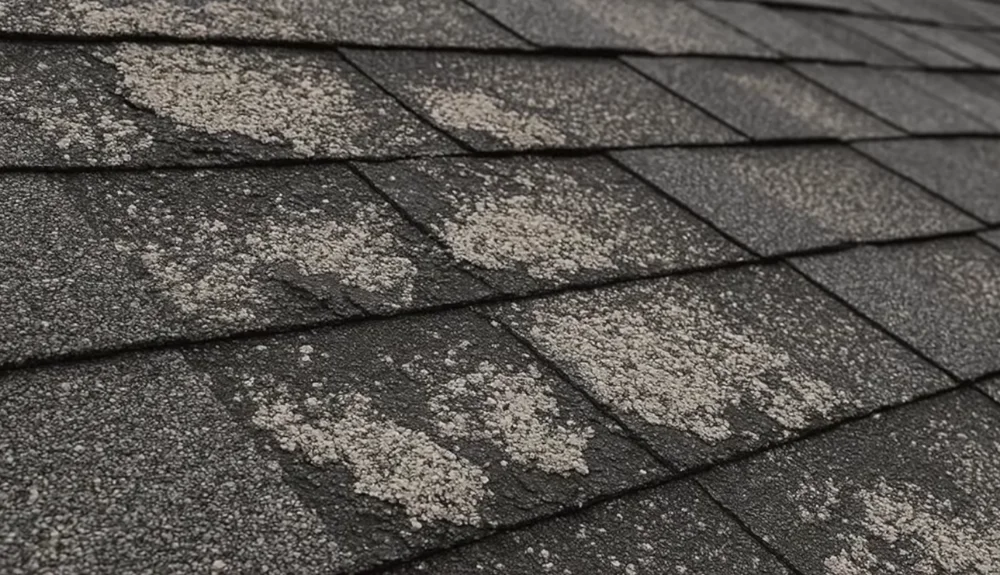
Gloeocapsa magma is a species of cyanobacteria, commonly referred to as blue-green algae, that colonizes roofing surfaces across warm, humid climates. It produces a dark, protective pigment as it grows, which is what creates the visible black or dark green streaking homeowners notice on their shingles.
The organism specifically consumes the limestone filler embedded in asphalt shingles as a food source, which explains why streaking appears almost exclusively on this roofing material rather than tile or metal. As colonies grow and spread, they trap additional moisture against the shingle surface, compounding the problem over time.
What Is Causing the Black Streaks on My Roof?
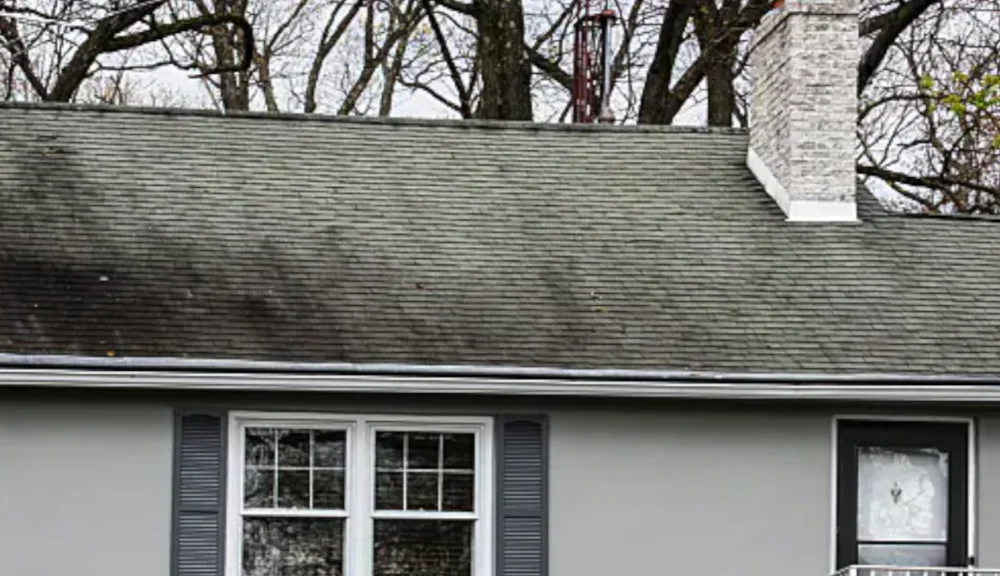
Those dark streaks aren’t dirt or weather staining. They’re a living organism called Gloeocapsa magma, growing directly on your shingles.
A Living Organism, Not Dirt
Unlike dust or pollen, Gloeocapsa magma is a blue-green algae that actively grows and spreads across your roof’s surface, feeding on materials within the shingle itself.
Feeds on Limestone Filler
This organism specifically targets the limestone filler used in asphalt shingle manufacturing, which is why black streaking is so common on this roofing material.
Thrives in Warm, Humid Climates
Florida’s heat and humidity create ideal growing conditions, allowing it to spread far more aggressively here than in drier, cooler regions of the country.
How Gloeocapsa Magma Spreads on Florida Roofs
Once established, this organism spreads quickly under the right conditions — and Florida’s climate provides nearly ideal growing conditions year-round.
Spores travel easily on wind currents, landing on neighboring roofs and starting new colonies nearby.
North-facing slopes and areas under tree cover stay damp longest, giving growth a head start.
Colonies often spread between roofs in the same neighborhood once established on one home.
Gloeocapsa Magma Removal Methods
Not every removal method delivers the same result, and some carry real risk to your shingles in the process. Understanding the differences helps you choose the right approach.
| Method | Effectiveness | Shingle Safety |
|---|---|---|
| Soft Wash Treatment | Highly effective | Safe, no granule loss |
| High-Pressure Washing | Removes visible growth | Risk of granule stripping |
| DIY Bleach Spray | Temporary results | Can damage landscaping |
Why Soft Wash Removes Gloeocapsa Magma Safely
Soft washing treats Gloeocapsa magma at the source rather than simply blasting visible growth off the surface, making it the most effective long-term removal method available.
Solution Breaks Down Growth
A specialized cleaning solution penetrates the organism itself, breaking it down at the source rather than just removing the surface discoloration temporarily.
Low Pressure Protects Shingles
Unlike high-pressure methods, soft washing never risks stripping the protective granule layer that shields shingles from UV damage and weathering over time.
Slows Future Regrowth
Treating the organism directly, rather than just rinsing it away, helps slow how quickly new colonies establish themselves after cleaning.
Does Gloeocapsa Magma Damage Your Roof?
Yes, left untreated, Gloeocapsa magma can meaningfully shorten your roof’s lifespan. As colonies spread across the shingle surface, they trap moisture against the material beneath them, creating conditions that accelerate wear and granule loss over time.
This isn’t a safety hazard to people living in the home, but the structural impact on the roof itself is real. Roofs with long-term, untreated growth often show more advanced wear than roofs of the same age that have been cleaned regularly, making removal a genuine maintenance priority rather than a cosmetic preference.
Recent Black Streak Removal Results
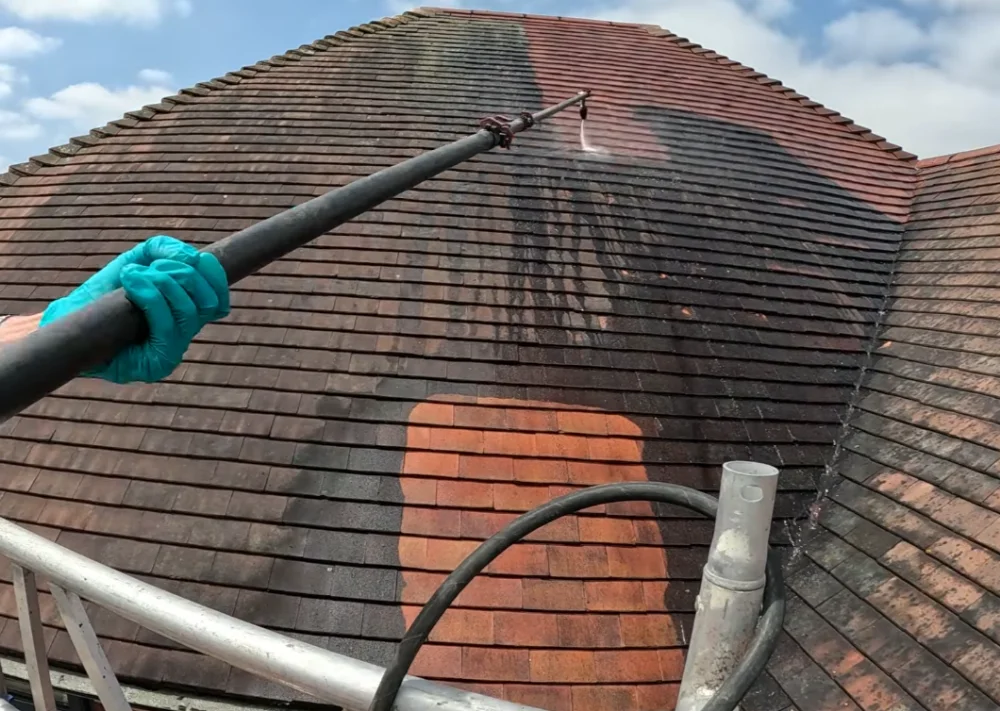
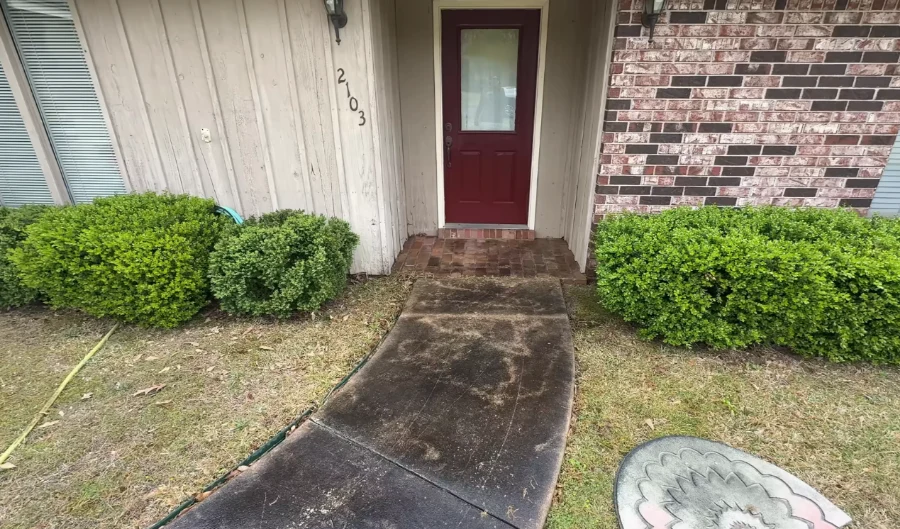
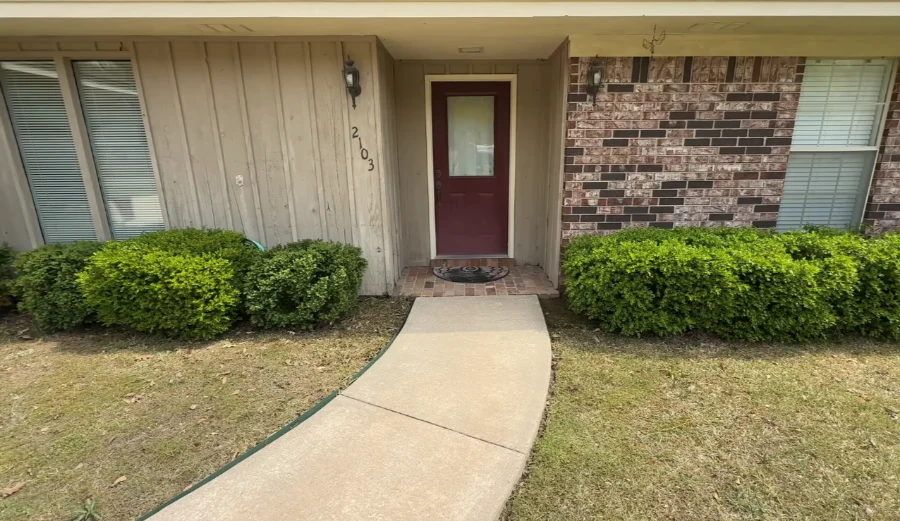
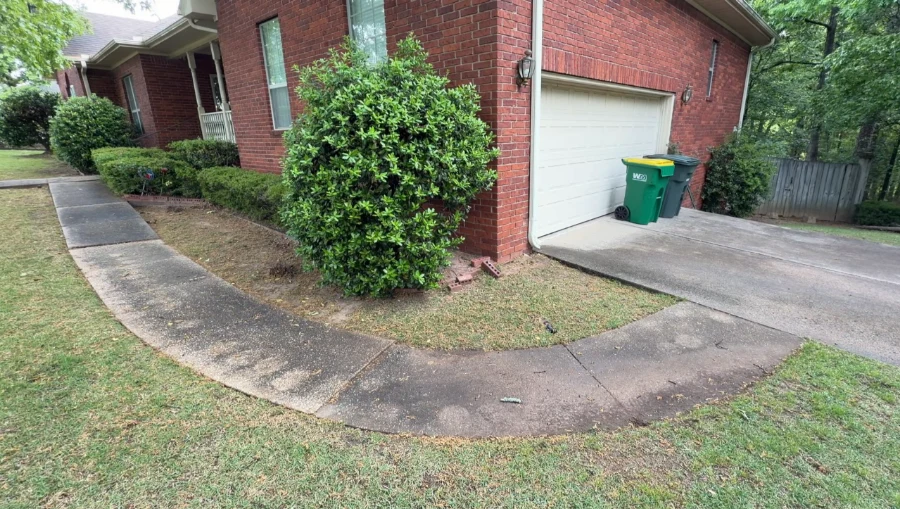
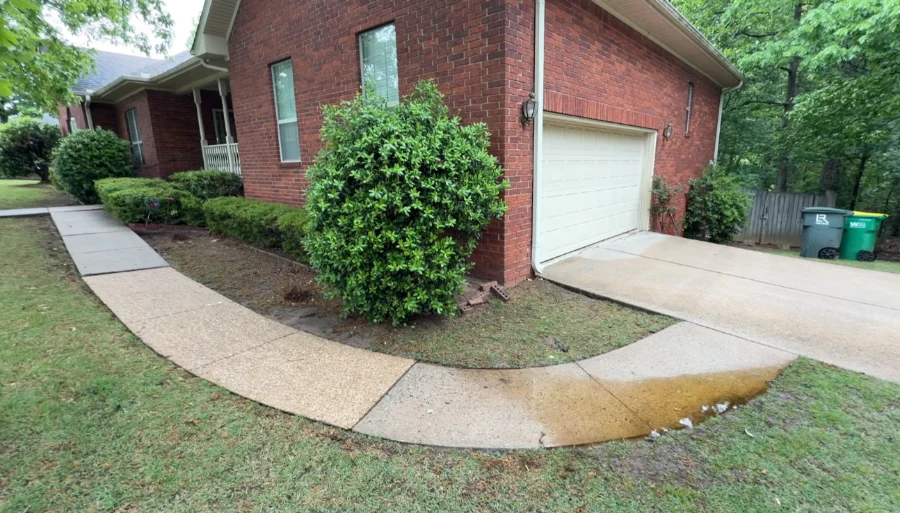
We’ve completed black streak removal projects across roofs throughout the area, safely treating Gloeocapsa magma colonies ranging from light early-stage streaking to years of accumulated growth. Every project uses the same soft wash standard, regardless of how advanced the staining has become.
Photos show real before and after results from recent visits, giving you an honest look at how dramatically a proper treatment can restore a roof’s appearance.
How Our Black Streak Removal Process Works
Every removal visit follows the same careful, low-pressure process, targeting the organism directly without stressing the shingles beneath it.
We evaluate the extent of growth and shingle condition before beginning treatment.
A specialized soft wash solution is applied to break down the organism at its source.
Buildup is rinsed away gently, protecting granules and shingle integrity throughout.
Final Inspection
We confirm results and roof condition before considering the visit complete.
Services We Offer
Black Streak Roof Cleaning is just one part of what we do. Explore our other services and keep every surface on your property looking its best.
Request Your Free Black Streak Removal Estimate
Ready to remove Gloeocapsa magma before it spreads further? Request your free quote today. Our licensed, insured team treats the organism at its source using a safe, proven soft wash method.
FAQs About Black Streak Roof Cleaning
What causes black streaks on Florida roofs?
Those black streaks are caused by Gloeocapsa magma, a blue-green algae that feeds on the limestone filler in asphalt shingles. Florida’s heat and humidity give it ideal conditions to spread quickly across a roof.
Is Gloeocapsa magma harmful to my roof?
Yes, left untreated, it traps moisture against your shingles and can shorten your roof’s lifespan over time. It’s not an immediate safety hazard to people, but it accelerates shingle wear.
Is Gloeocapsa magma the same as mold or mildew?
No, it’s a distinct organism, specifically a form of cyanobacteria rather than a fungus like mold or mildew. It behaves differently and requires a treatment approach suited to its specific biology.
Can Gloeocapsa magma spread to other parts of my property?
It’s specific to roofing materials containing limestone filler, so it doesn’t typically spread to siding, driveways, or landscaping the way general algae or mildew can.