
Weeds Growing in Pavers Bradenton FL Homeowners Can Prevent
Our approach to weeds growing in pavers in Bradenton yards starts at the source: joint sand and sealing that block weeds before they take root. Request your free quote today.
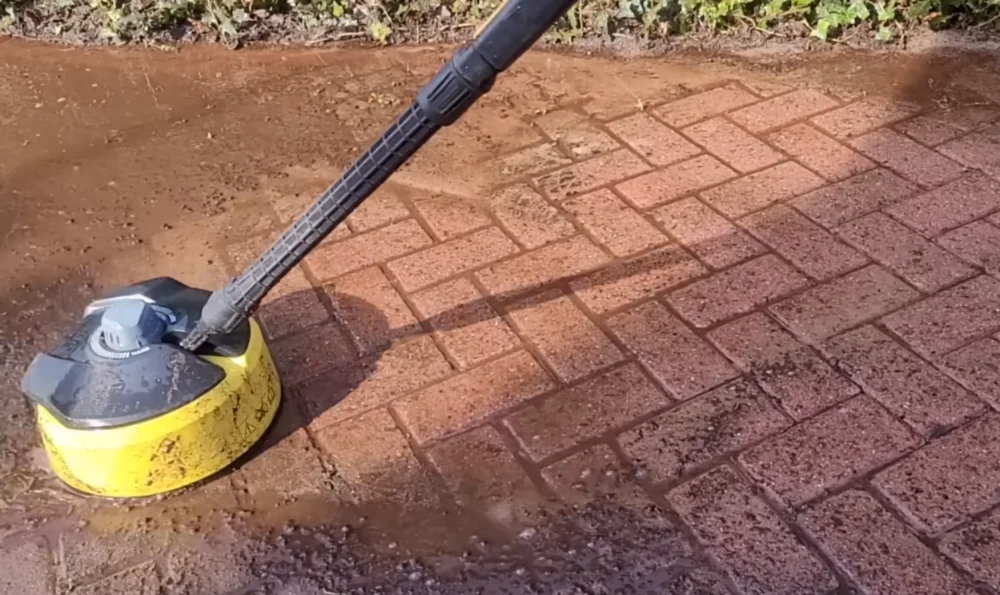
Stop Weeds Before They Start
We’ve spent years treating paver joints throughout Bradenton, and weed prevention is one of the details we take seriously on every sanding and sealing job. It’s easy to overlook until weeds are already established, but proper joint sand applied correctly the first time prevents most of the problem before it ever starts.
Our team understands exactly what makes joints vulnerable to weed growth, and we build prevention into the process itself rather than treating it as an afterthought. This experience means fewer callbacks and pavers that actually stay weed-free between visits.
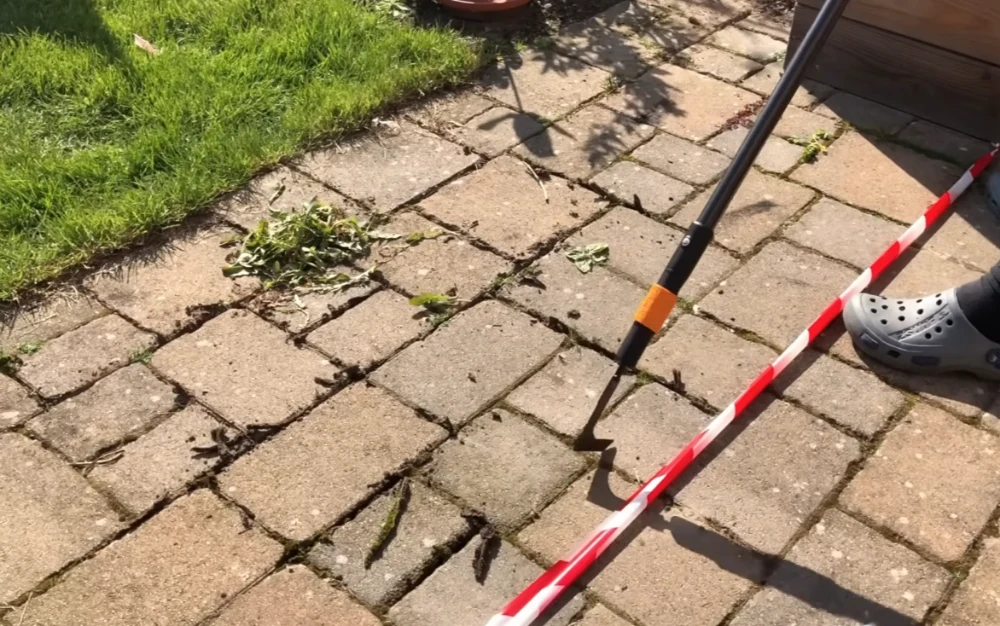
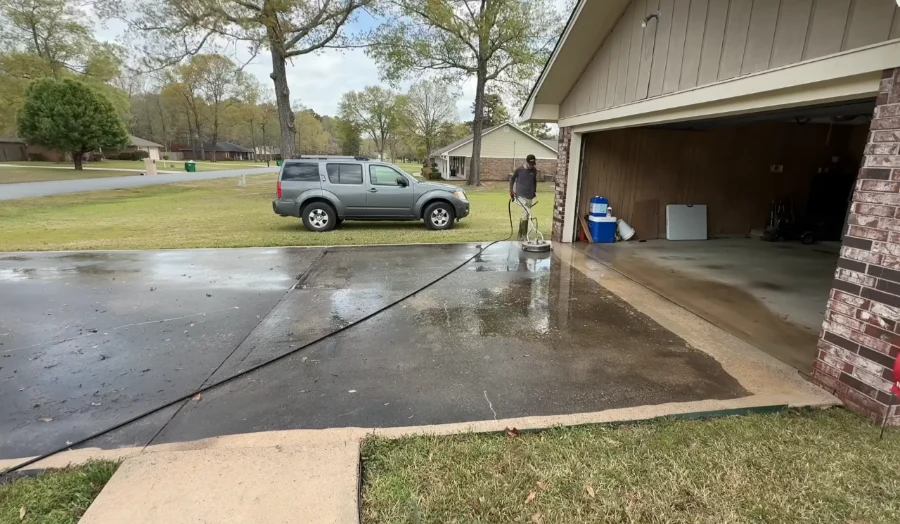
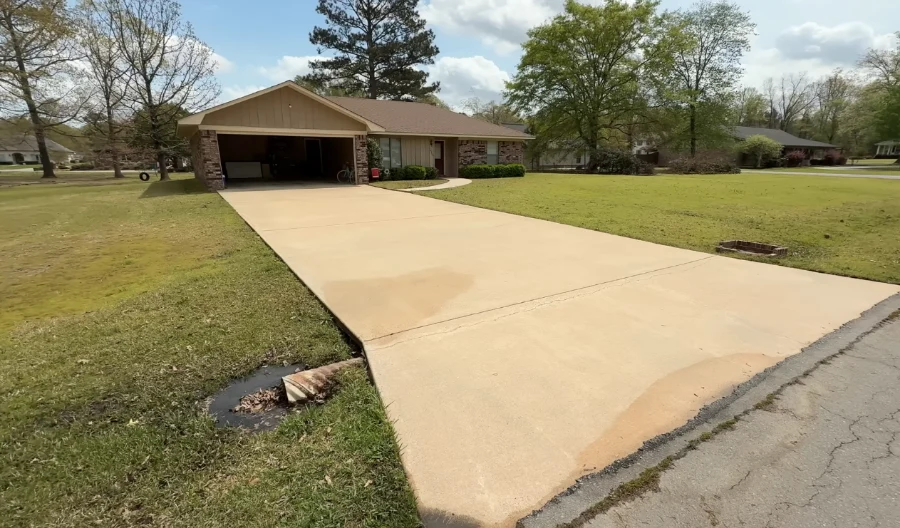
What Causes Weeds Between Pavers?
Weeds don’t grow on pavers themselves; they grow in the gaps between them once conditions allow seeds to settle and take root.
Regular sand washes out over time, leaving open gaps where weed seeds can easily settle.
Seeds travel easily on wind and rain, landing directly into any exposed paver joint.
Gaps between pavers hold moisture longer than surrounding soil, creating ideal germination conditions.
Why Weeds Grow Between Pavers
Weeds take root in the loose sand or soil between paver joints, especially once regular sand washes out over time.
- Seeds settle into gaps left by eroded sand
- Moisture collects in joints longer than open ground
- Sunlight reaches joint soil more directly than shaded areas
- Foot traffic can push seeds deeper into loose joints
- Untreated joints offer little resistance to root establishment
- Organic debris in joints adds nutrients for growth
- Older, unsealed pavers see this problem most often
How Sanding and Sealing Prevent Weeds
Prevention comes down to closing off the gaps weeds need to establish themselves, which is exactly what proper sanding and sealing accomplish together.
Polymeric Sand Application
Polymeric sand hardens once activated with water, creating a firm barrier within each joint that leaves no loose material for weed seeds to settle into or take root within.
Sealing as a Second Layer
A sealant applied over sanded joints adds an additional protective layer, further reducing moisture retention and making it even harder for any stray seeds to establish themselves.
Weed Prevention Methods Compared
Not all approaches deliver the same level of protection against future weed growth.
| Method | Weed Prevention Level |
|---|---|
| No Treatment | Minimal — weeds return quickly |
| Polymeric Sand Only | Strong — significantly reduces growth |
| Sanding Plus Sealing | Highest — most complete protection |
Get Long-Lasting Weed Protection
Request your free quotation today. Our licensed, insured team builds prevention into every sanding visit.
Grass Growing Between Pavers
Grass growing between pavers is a related but slightly different problem than typical weeds, often spreading from a nearby lawn rather than arriving as a windblown seed. Grass roots can be more persistent, sometimes spreading underground between joints rather than staying isolated to a single gap.
The same prevention approach applies here as well. Properly packed polymeric sand closes off the space grass roots need to spread between pavers, while sealing adds further resistance against runners creeping in from adjacent lawn areas.
How Our Weed Prevention Process Works
Every prevention visit follows a process built specifically to close off the gaps weeds and grass need to establish themselves.
We check existing joint condition and identify areas vulnerable to weed growth.
Polymeric sand is packed thoroughly into every joint across the surface.
Sand is activated with water, and sealing is applied for added protection.
We confirm every joint is properly filled before considering the job complete.
Recent Weed Prevention Results
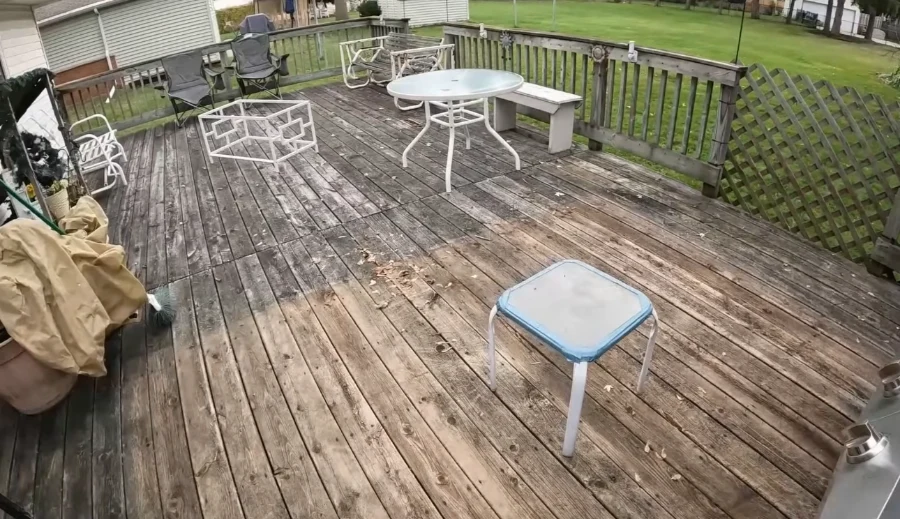
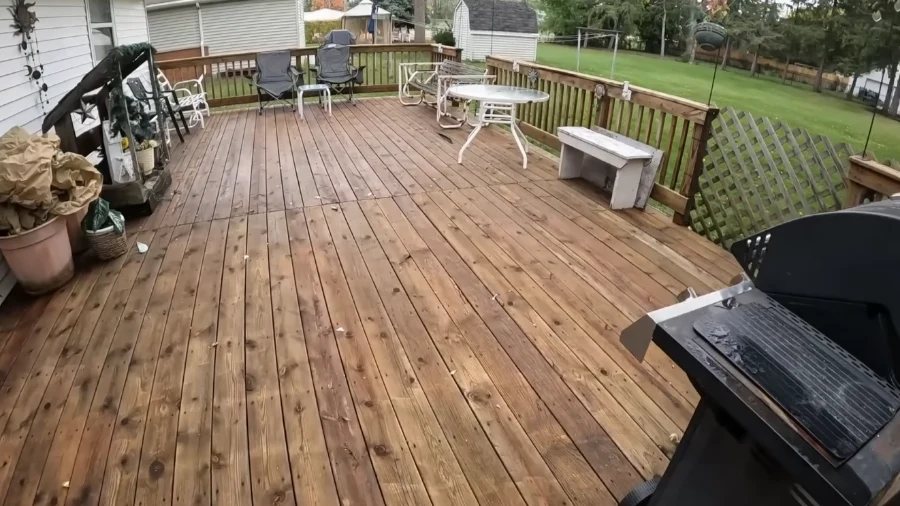
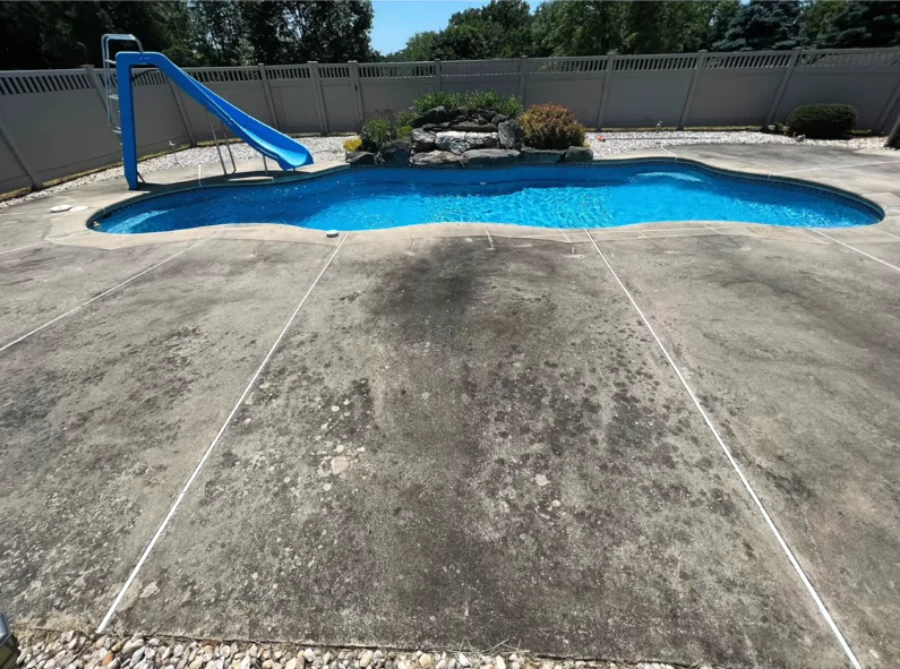
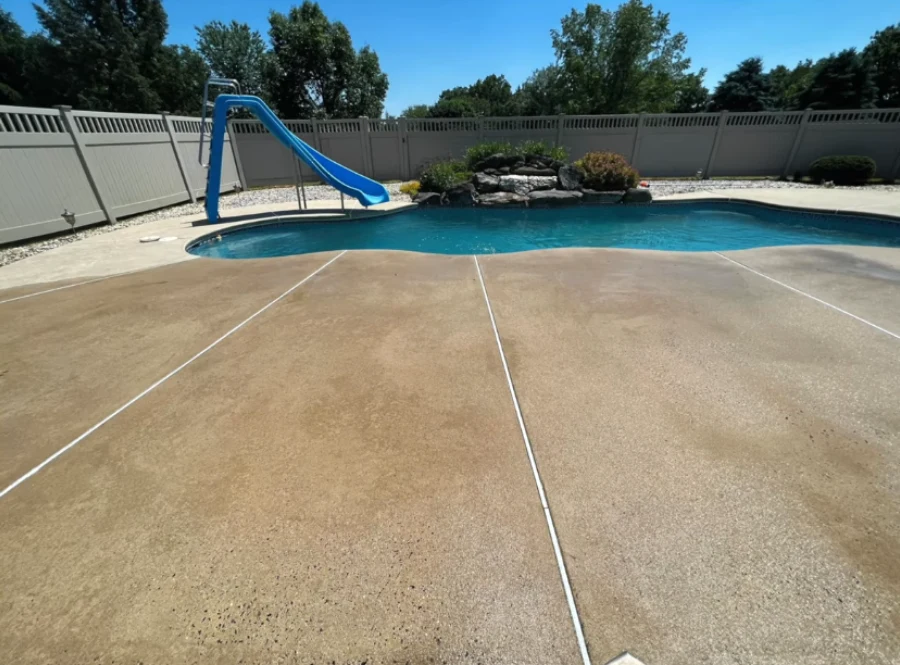
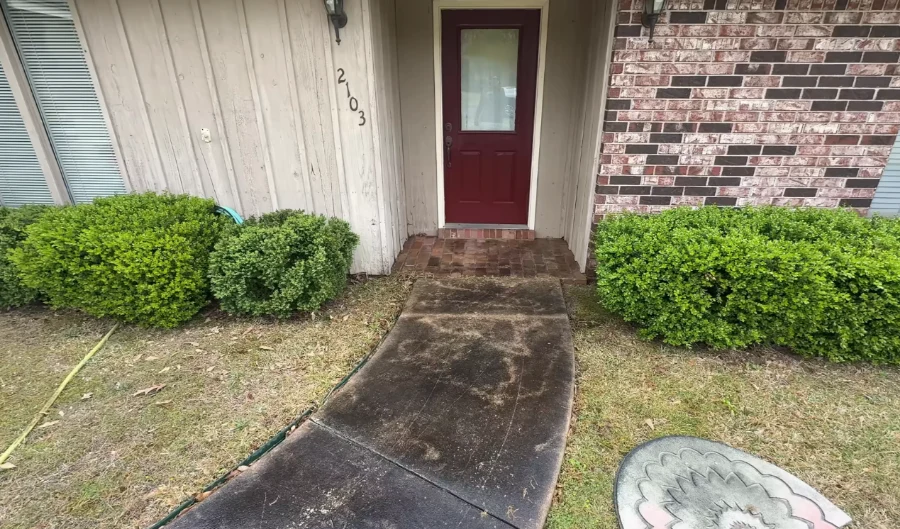
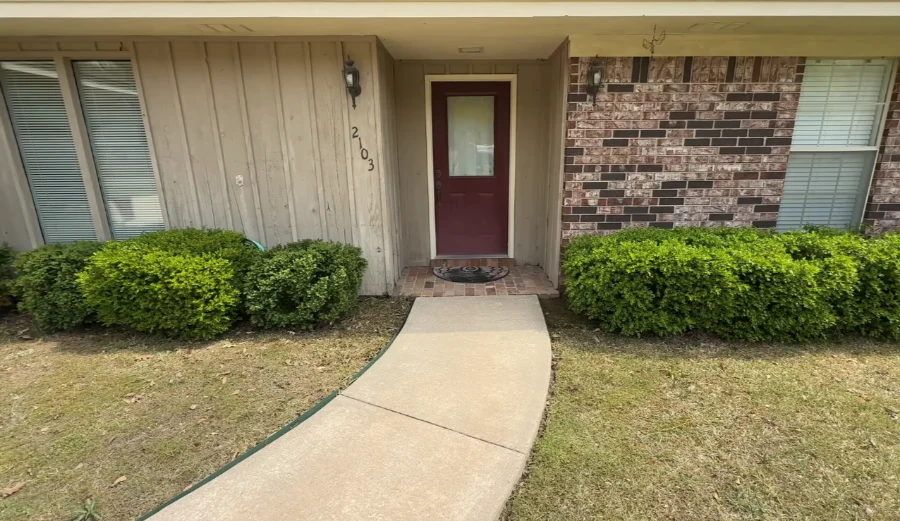
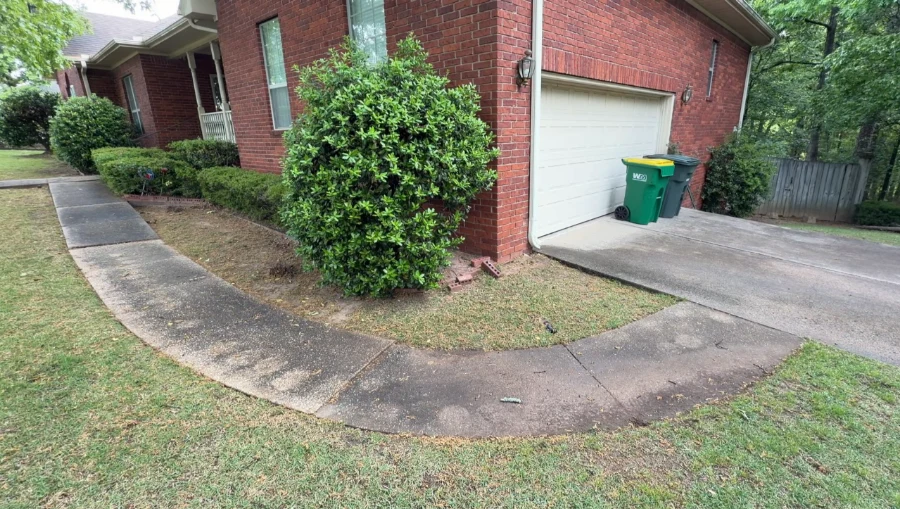
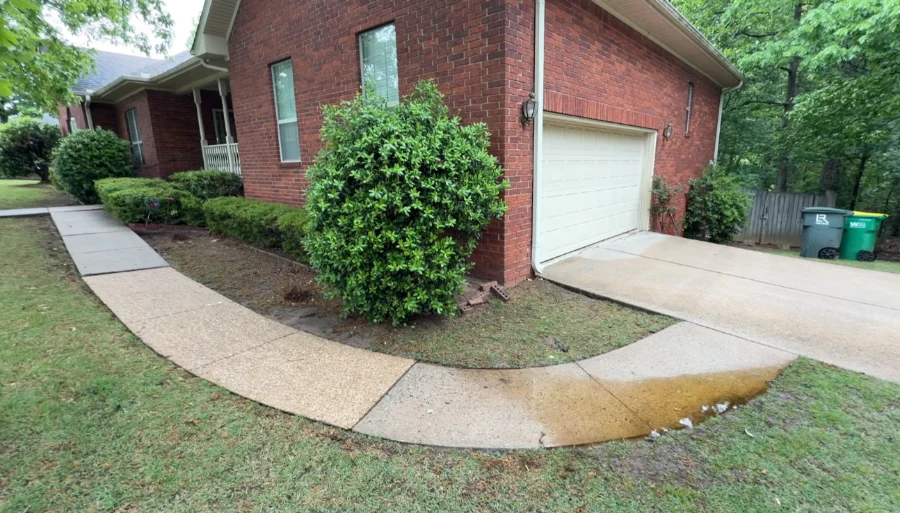
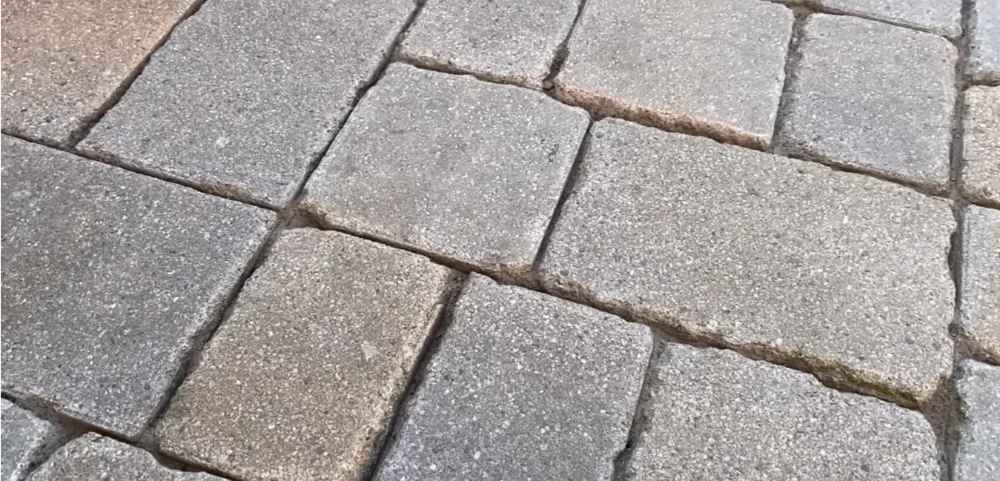
We’ve completed weed prevention projects throughout Bradenton, restoring paver joints that had become overrun with weeds and grass after years without proper re-sanding. Each project uses the same combination of polymeric sand and sealing for maximum protection.
Photos show real before and after results from recent visits, giving you an honest look at how dramatically proper joint treatment reduces future weed growth.
Keeping Paver Joints Weed-Free Long-Term
Weed prevention isn’t a one-time fix — joints benefit from periodic checks to catch early erosion before weeds have a chance to establish themselves again. Regular re-sanding as part of routine paver maintenance keeps this protection active year after year.
For pavers that haven’t been re-sanded in several years, starting with a full re-sanding visit gives you the strongest possible foundation for long-term weed prevention going forward.
Services We Offer
This service is just one part of what we do. Explore our other services and keep every surface on your property looking its best.
Request Your Free Weed Prevention Quote
Ready for paver joints that actually stay weed-free? Request your free, no-obligation quote today. Our licensed, insured team builds prevention into every sanding visit.
FAQs on Weed Prevention Between Pavers
Why do weeds grow between my pavers?
Weeds take root in the loose sand or soil between paver joints, especially once regular sand washes out over time. Polymeric sand and periodic resealing make it much harder for weeds to get a foothold.
Can I prevent weeds without re-sanding my pavers?
Re-sanding is the most effective foundation for weed prevention. Spot treatments or weed killers can help temporarily, but without proper joint sand, new weeds typically return within a short period.
Do weed killers damage pavers or polymeric sand?
Some weed killers can affect polymeric sand’s bonding if applied too soon after installation. We recommend waiting until sand has fully cured before using any additional weed treatment products.
How often should paver joints be checked for weeds?
Checking joints once or twice a year helps catch early erosion before weeds establish themselves. Pavers in high-traffic or heavily landscaped areas may benefit from slightly more frequent checks.