Paver Sealing Bradenton FL Services for Lasting Protection
Our paver sealing Bradenton FL service cleans and protects your pavers from algae, stains, and fading. Restore your outdoor space and make it last longer. Request your free estimate today.
What Is Paver Cleaning and Sealing?
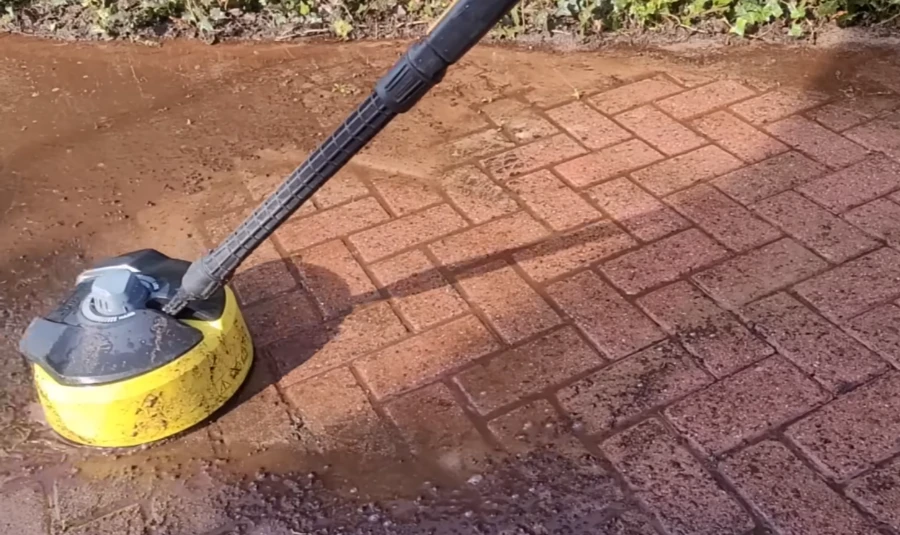
Paver cleaning Bradenton services remove dirt, algae, and stains from brick, concrete, and travertine surfaces using pressure washing matched to the paver type. Sealing is a separate step that follows cleaning, applying a protective coating that locks in joint sand and shields the surface from future staining.
Together, cleaning and sealing form a complete paver maintenance system. Cleaning restores the surface, while sealing protects that result, extending the time before your pavers need attention again and keeping outdoor spaces looking their best throughout the year.
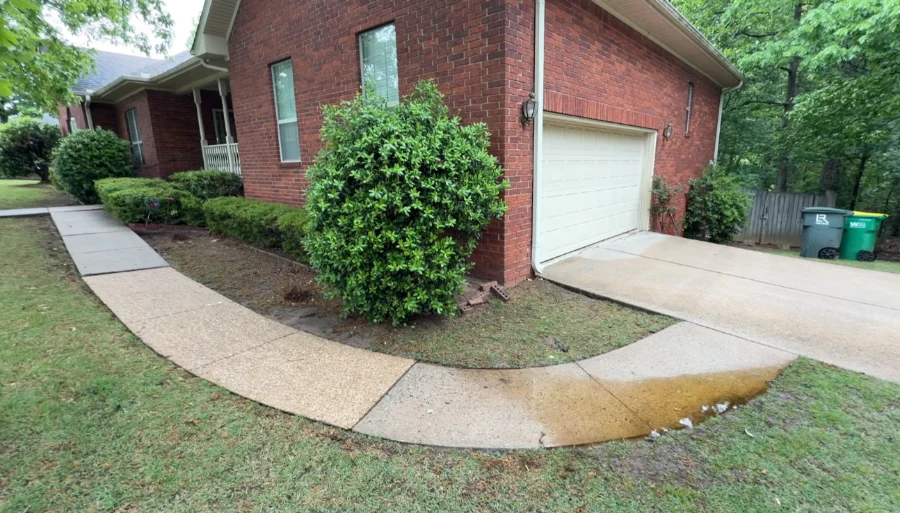
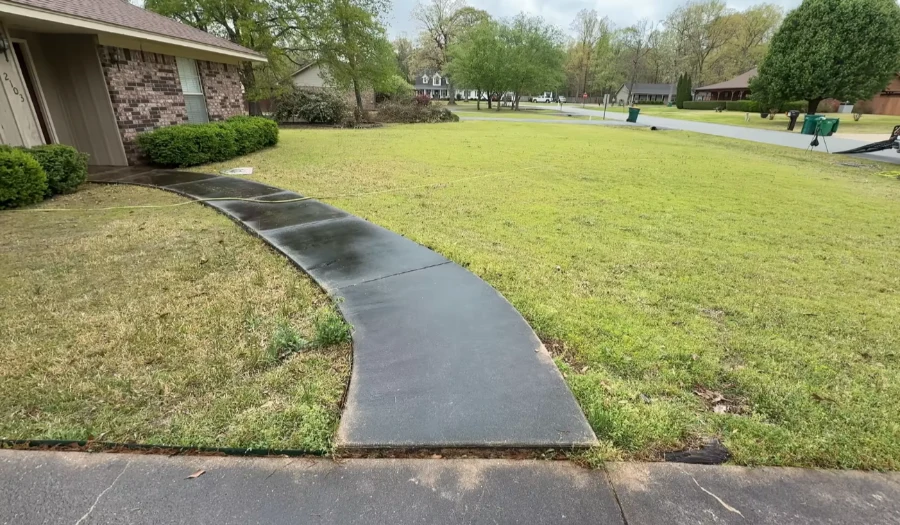
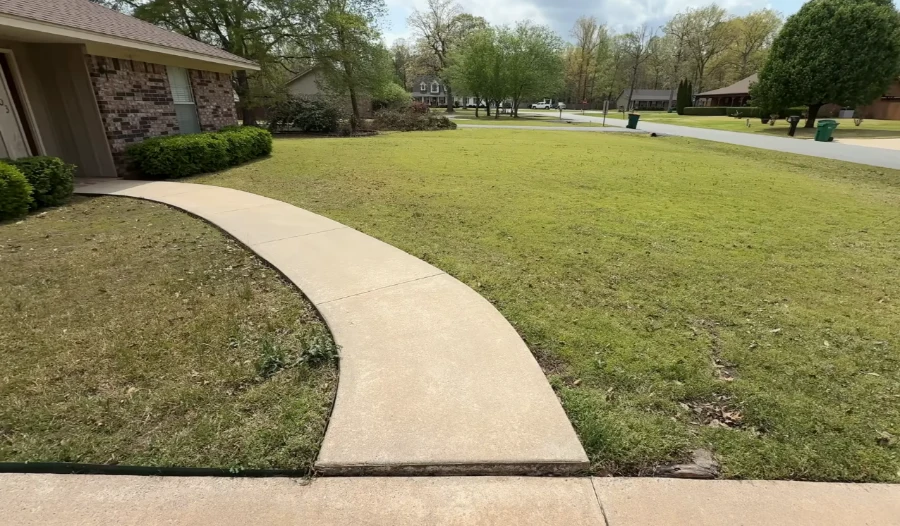
Cleaning vs Sealing: What's the Difference?
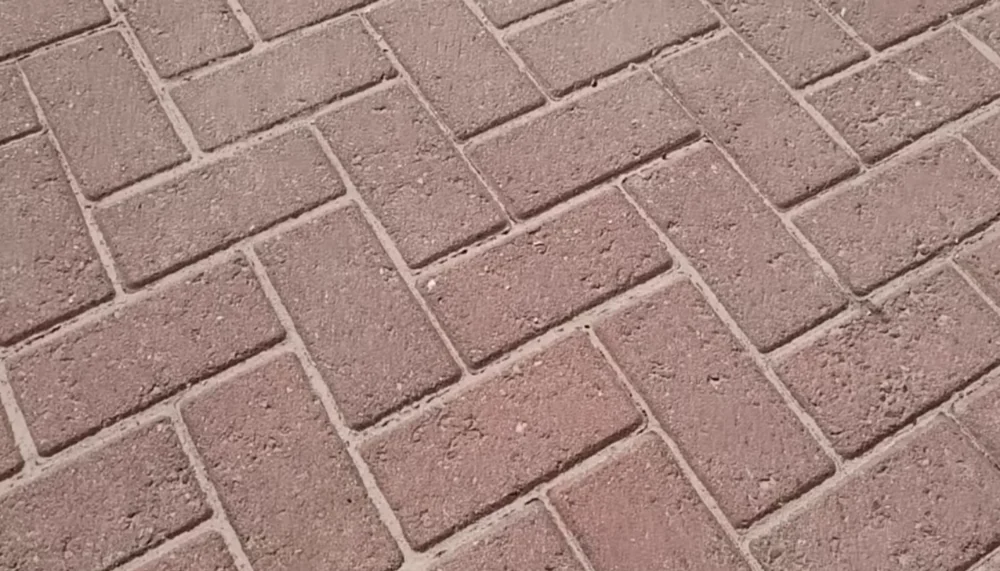
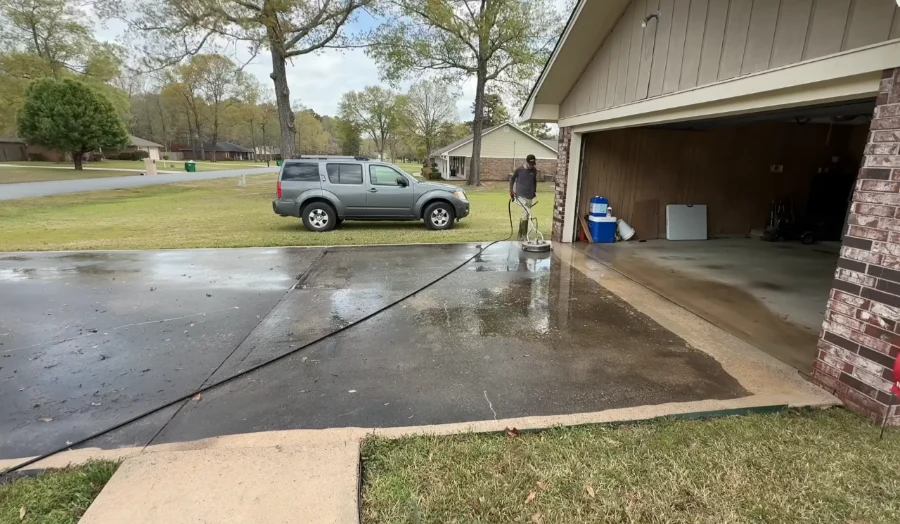
Cleaning and sealing solve two different problems. Understanding each one helps you decide exactly what your pavers need right now.
| Service | What It Does | Best For |
|---|---|---|
| Cleaning | Removes dirt, algae, and stains from the surface | Pavers with visible buildup or discoloration |
| Sealing | Adds a protective coating and locks in joint sand | Pavers that are already clean or recently cleaned |
Is Sealing Your Pavers Worth It?
Sealing isn’t required, but for most homeowners, it’s worth doing. A sealed surface resists staining, holds joint sand in place longer, and slows the algae regrowth that makes pavers slippery again within months of cleaning. Florida’s sun and rain make unsealed pavers more vulnerable to fading and wear than in most other climates.
The upfront cost pays off over time since sealed pavers need less frequent cleaning and hold their color and finish much longer. If you’re investing in a cleaning already, adding sealing while the surface is freshly prepped is the most efficient time to do it. Most homeowners find the investment small compared to the protection and time it saves.
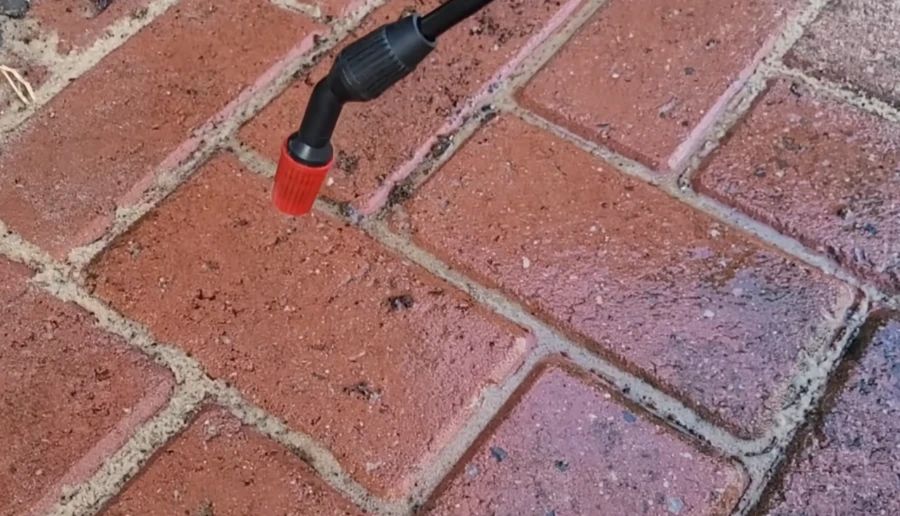
Signs Your Pavers Need Cleaning or Sealing
These common warning signs indicate it’s time to schedule cleaning, sealing, or both before small problems turn into costly repairs.
Loose or Eroding Joint Sand
Sand between your pavers naturally erodes over time from rain, foot traffic, and regular cleaning. When joints start looking empty, or pavers feel like they’re shifting slightly underfoot, it’s a clear sign fresh sand and sealing are needed to stabilize the surface again.
Visible Weeds or Grass Between Pavers
Weeds and grass growing between joints usually mean the sand has washed away or broken down, leaving gaps that seeds can take root in easily. This is one of the clearest signs that re-sanding and sealing are overdue for your outdoor space.
Faded or Dull Paver Color
Pavers exposed to Florida’s intense sun often fade or lose their original color over the years, especially without a protective sealant. If your outdoor space looks dull compared to when it was installed, sealing helps restore richness and slows further fading going forward.
Algae or Moss Buildup in Shaded Areas
Shaded sections of your patio or walkway often develop green algae or moss faster than sun-exposed areas, creating a slippery, unattractive surface. Regular cleaning removes this buildup, while sealing makes it harder for new growth to take hold between visits.
Paver Cleaning and Sealing Methods We Use
Every paver material has different needs, from porous travertine to dense concrete and classic brick. We match our cleaning and sealing approach to the exact material installed on your property.
| Paver Material | Cleaning Approach | Sealing Recommendation |
|---|---|---|
| Brick Pavers | Controlled pressure wash | Standard or enhancement sealant |
| Concrete Pavers | Standard pressure wash | Standard protective sealant |
| Travertine | Low-pressure, gentle cleaning | Penetrating sealant recommended |
Not Sure What Your Pavers Need?
Request a free estimate and we’ll assess your paver material, current condition, and recommend exactly what makes sense for your property.
Pool Deck Paver Cleaning for Safer, Slip-Free Surfaces
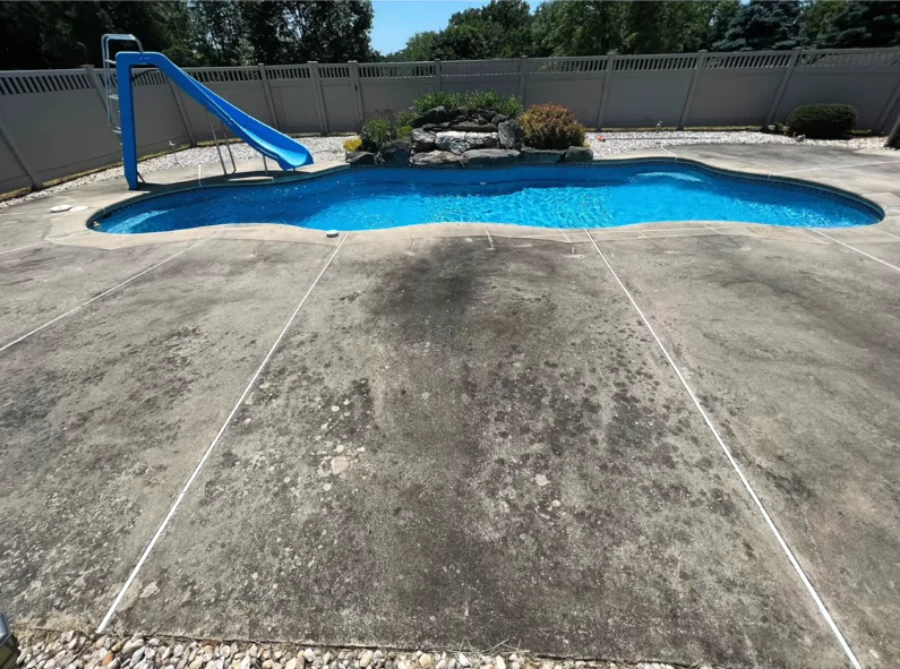
Pool deck paver cleaning removes the algae and grime that build up quickly around wet, high-traffic poolside surfaces. Constant moisture makes these areas grow slippery faster than almost anywhere else on your property.
- Removes algae and slip-hazard buildup around pool surfaces
- Protects pool deck pavers from constant moisture exposure
- Improves safety for bare feet and pool traffic
- Pairs well with lanai and pool cage cleaning
Brick Paver Sanding and Polymeric Sand Restoration
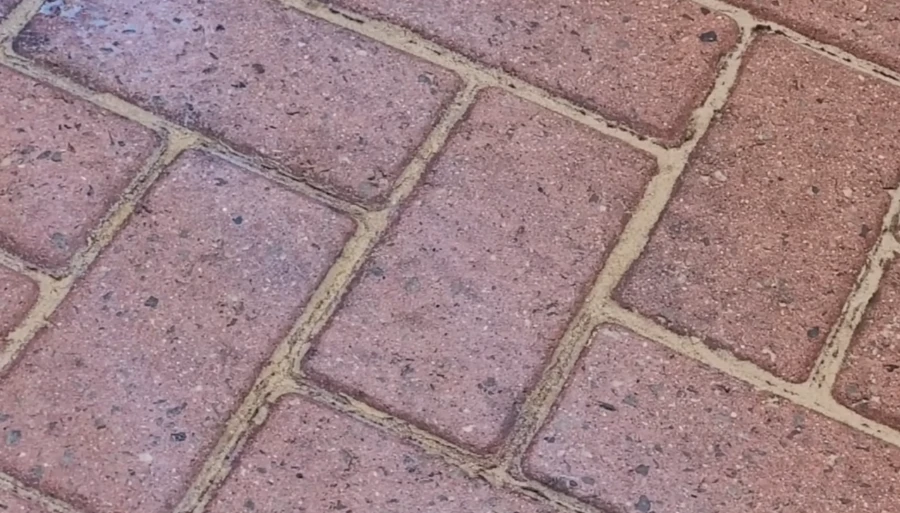
Brick paver sanding replaces the joint sand that naturally erodes between pavers over time from rain, foot traffic, and regular cleaning. We use polymeric sand, a specialized product that hardens once wet, locking pavers in place and resisting washout far better than traditional sand.
This step is often paired with brick paver sealing for the most complete protection, it helps in preventing weeds between pavers also resist weeds and moisture far better than sand alone. Together, sanding and sealing keep your pavers stable, level, and resistant to shifting for years longer than cleaning by itself would provide, and help prevent weeds between paver joints from returning.
How Our Paver Cleaning and Sealing Process Works
Every paver cleaning and sealing visit follows the same reliable process, giving you consistent results whether we’re cleaning, sanding, sealing, or handling all three together.
We inspect your pavers to determine the right cleaning method and whether sanding or sealing is needed based on the material, current condition, and level of buildup.
Pressure washing removes dirt, algae, and stains matched to your specific paver material — controlled for brick, standard for concrete, and low-pressure for travertine.
Fresh polymeric sand is applied to joints where needed, restoring stability, a level surface, and a finished look that holds up far better than traditional joint sand.
A protective sealant is applied evenly across the cleaned surface, locking in results, stabilizing joint sand, and protecting against future staining and algae regrowth.
Recent Paver Cleaning and Sealing Results
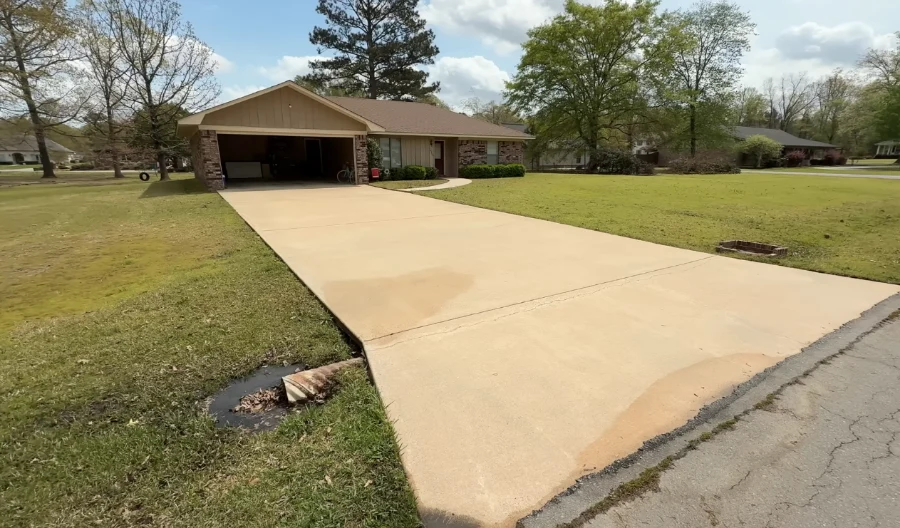
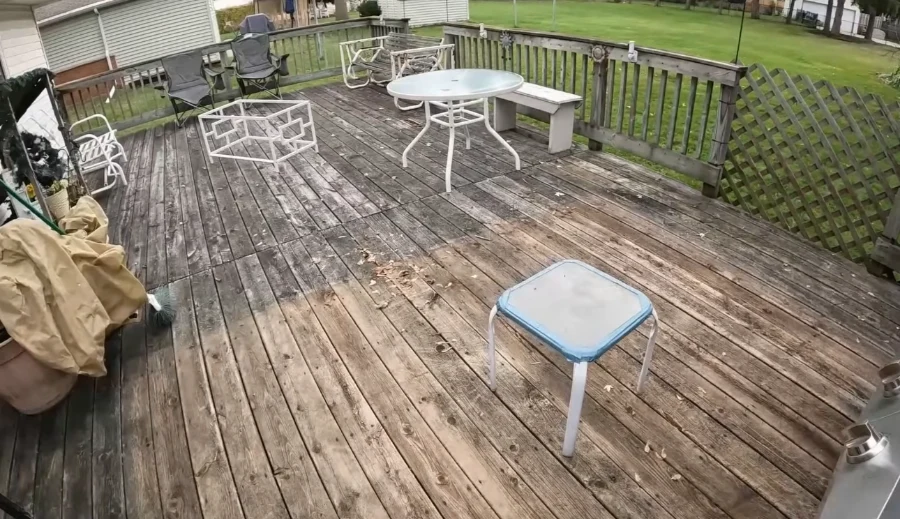
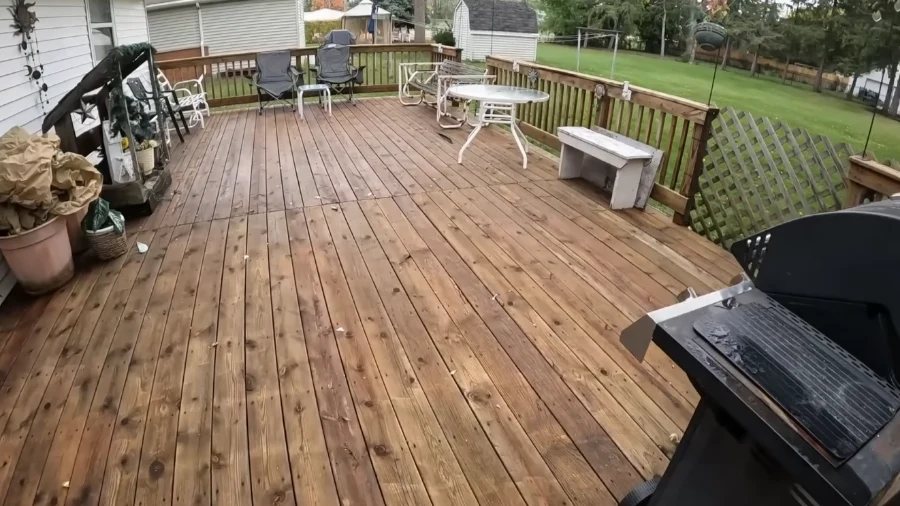
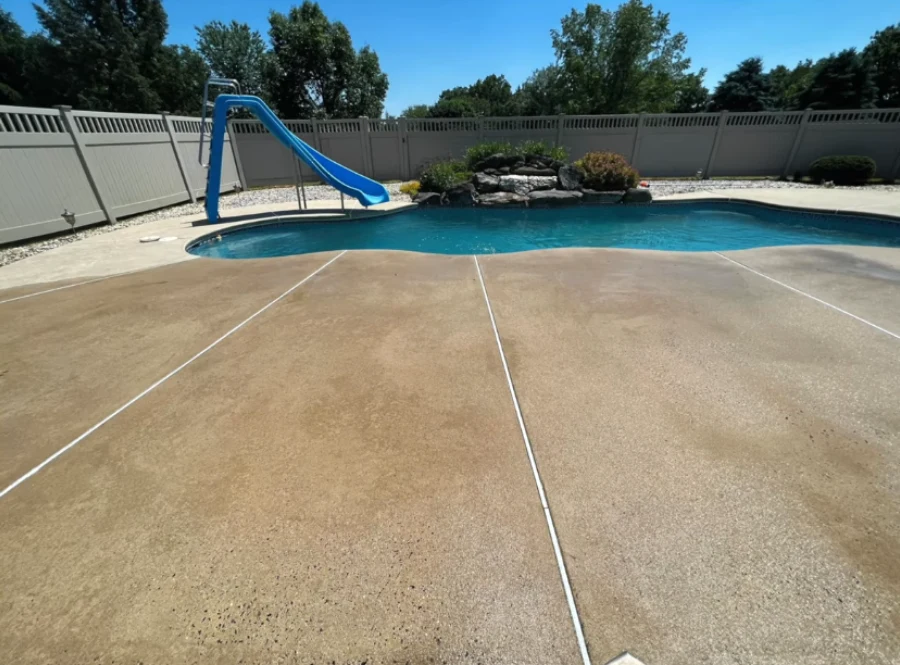
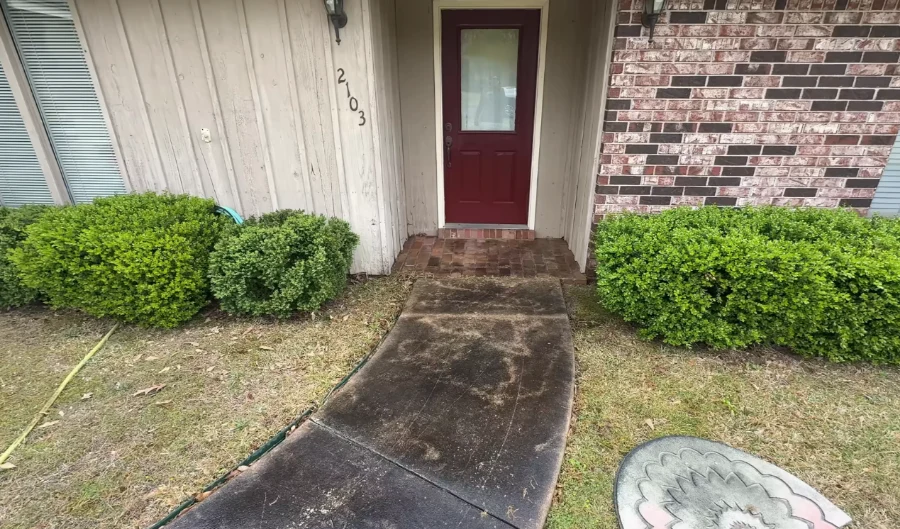
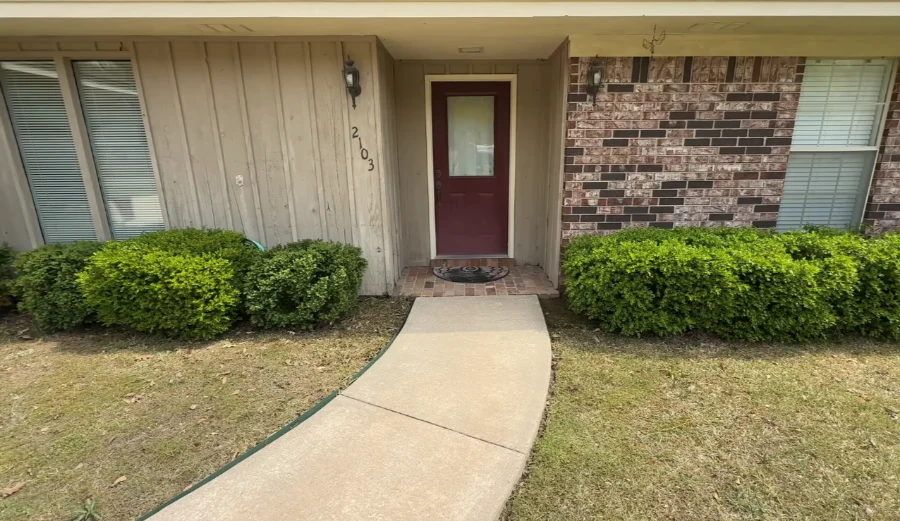
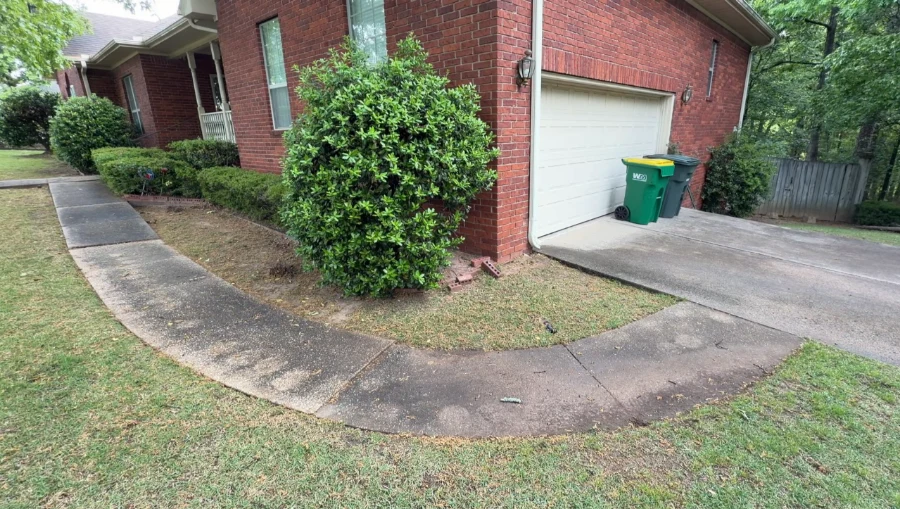
We’ve completed paver cleaning and sealing projects throughout Bradenton, including pool deck restorations near Lakewood Ranch and Sarasota properties with heavy algae buildup on brick and travertine surfaces.
Photos show real before and after results from recent visits, giving you an honest look at what your own pavers could look like once cleaned and sealed.
Want Results Like These for Your Pavers?
Request your free, no-obligation estimate today. Our licensed, insured team assesses your paver material and condition before recommending the right combination of cleaning, sanding, and sealing.
Protecting Your Pavers from Florida's Sun and Rain
Florida’s intense sun accelerates color fading, while frequent rain speeds up algae growth and washes out joint sand over time. Sealing creates a protective barrier against both, helping your pavers hold their color and stability much longer than an unsealed surface. This protection matters most in high-traffic areas like driveways, patios, and pool decks.
Services We Offer
Paver cleaning is just one part of what we do. Explore our other services and keep every surface on your property looking its best.
Serving Your Neighborhood and Beyond
Not sure if we cover your area? Reach out and we’ll confirm. Paver cleaning and sealing is available across Bradenton, Lakewood Ranch, Sarasota, and surrounding communities.
Answers to Common Paver Cleaning FAQs
Should I seal my pavers after cleaning?
Sealing isn’t required, but it’s worth doing. A sealer helps lock in joint sand, reduces weed growth between pavers, and makes the surface easier to clean next time. It also protects paver color from fading in Florida’s strong sun.
How often should pavers be cleaned in Florida?
Most Bradenton-area pavers should be cleaned about once a year to stay ahead of algae and staining. Pool deck pavers and shaded areas often need attention sooner since they stay damp longer. Sealing after cleaning stretches that window considerably.
How much does paver sealing cost?
Cost depends on the size of the area, the paver material, and whether sanding is needed before sealing. Pool decks and larger patios cost more than small walkways. We provide a free estimate so you know the exact price upfront.
What is polymeric sand and why does it matter?
Polymeric sand is a specialized joint sand that hardens once wet, locking pavers in place and resisting washout better than traditional sand. It’s commonly used during re-sanding and pairs well with sealing for long-term stability.
Can pool deck pavers be sealed safely?
Yes, pool deck pavers can be sealed safely using a slip-resistant sealant designed for wet, high-traffic areas. This keeps the surface from becoming slippery while still protecting against algae, staining, and sun fading around the pool.
How long does paver sealing last?
Most sealants last two to three years before needing to be reapplied, depending on sun exposure, foot traffic, and weather. Pavers in shaded, low-traffic areas often hold their seal longer than pool decks or driveways.
Do you seal brick, concrete, and travertine pavers the same way?
Each material is treated a little differently. Travertine needs a gentler, low-pressure approach, while brick and concrete can handle standard pressure washing. Sealant type is also chosen based on the paver material for the best long-term results.